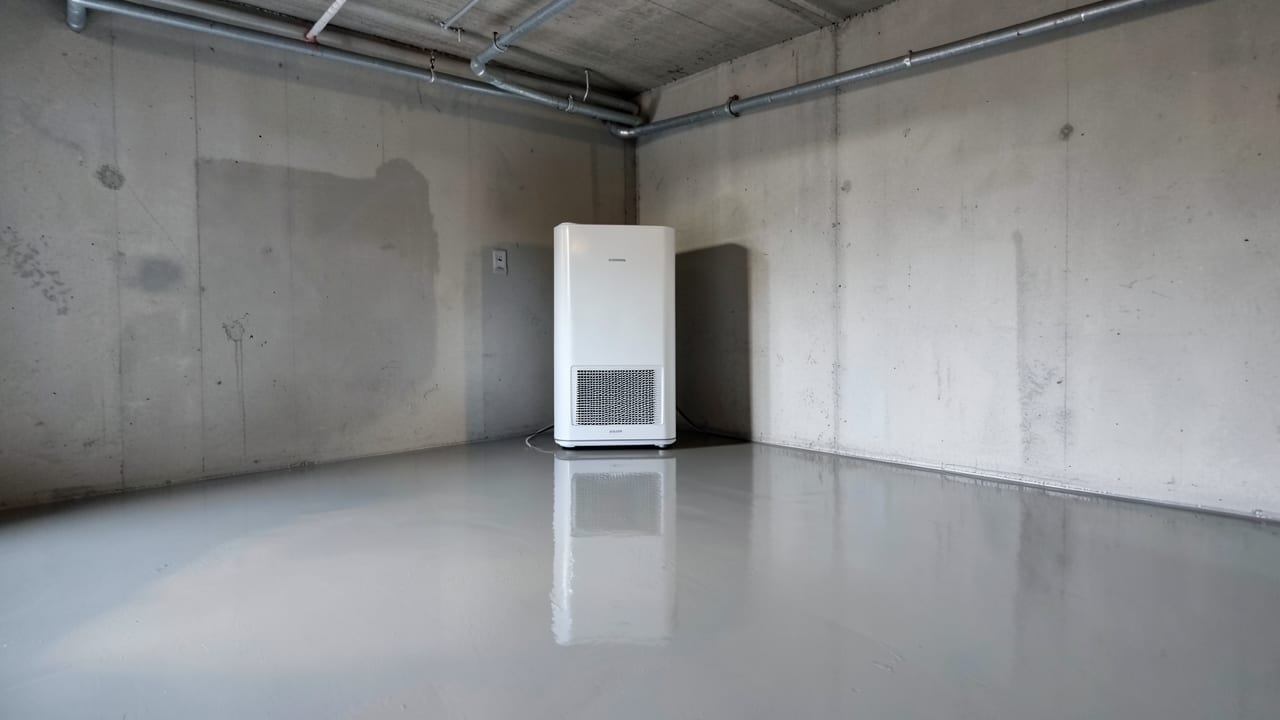
Post-Remediation Sealing
Applying protective sealants to surfaces after mold remediation to prevent future growth.
Post-remediation sealing in Staatsburg, NY, involves applying protective coatings to surfaces after mold has been removed to prevent future growth.
This step creates a moisture-resistant barrier, helping to maintain the integrity of treated areas and reduce the risk of recurrence in homes across Dutchess County and nearby communities like Rhinebeck and Hyde Park.
We also handle Bathroom Mold Removal and Carpet Mold Treatment for Staatsburg properties.
When is sealing needed?
Post-remediation sealing is typically recommended after mold removal when porous materials like drywall or insulation have been replaced or treated. It’s also essential in areas prone to moisture, such as basements, bathrooms, or kitchens, where hidden dampness can lead to regrowth.
If mold keeps returning to the same spot, sealing helps ensure the treated area stays protected.
Sealing is particularly useful in spaces where moisture control is difficult, such as windowless rooms or basements with poor airflow. It acts as an extra layer of defense against future mold issues, especially in older homes where structural materials may absorb moisture over time.
Signs You May Need Post-Remediation Sealing
- Mold covers more than a small, isolated patch (typically over 25 contiguous square feet).
- Mold keeps returning to the same spot after cleaning, indicating a moisture source wasn’t fully addressed.
- A musty smell persists in a room even after visible mold is removed, suggesting hidden growth.
- The affected area is in a high-moisture zone, like a basement, bathroom, or near plumbing.
What affects the cost?
The cost of post-remediation sealing depends on the size of the treated area, the type of sealant used, and the condition of the surfaces. Basic vapor barriers are less expensive than full encapsulation, which may be needed for high-risk areas.
Labor and materials also vary based on accessibility and the extent of prior damage.
Additional factors include whether the work requires specialized coatings for specific materials, such as wood or concrete, and whether the area needs structural drying before sealing. Clearance testing, if required, can also influence the overall cost.
What to watch for after remediation
Even after sealing, monitoring humidity levels in treated areas is important, especially in the first year. Rooms that stay damp due to poor airflow, like closets or windowless bathrooms, may benefit from a small dehumidifier or fan to prevent moisture buildup.
Outside the home, grading issues or downspouts discharging near the foundation can reintroduce moisture problems.
If mold reappears, it’s often a sign the original moisture source wasn’t fully addressed. Checking for leaks, condensation, or structural dampness is critical to preventing recurring issues. Regular inspections of sealed areas can help catch early signs of regrowth.
Skipping clearance testing leaves no confirmation the area is truly clear. Using non-HEPA equipment during cleanup can spread spores instead of capturing them. Ignoring the moisture source—like a leak or poor ventilation—means the problem will likely return.
How post-remediation sealing works
- 1Containment Setup
The work area is sealed off with plastic sheeting and negative-air machines to prevent spores from spreading during removal. This keeps airborne particles confined to the treated zone.
- 2Material Removal or Treatment
Porous materials like drywall or insulation that absorb mold are cut out and bagged, while non-porous surfaces like tile or framing are scrubbed and treated with antimicrobial solutions.
- 3Structural Drying
Industrial dehumidifiers and air movers reduce moisture levels in framing and subfloors to safe levels before sealing begins, as dampness can trigger regrowth.
- 4Sealant Application
Specialized coatings are applied to treated surfaces to create a moisture-resistant barrier, helping to inhibit future mold growth in high-risk areas.
- 5Clearance Testing
An independent lab tests air or surface samples to confirm spore counts are back to normal levels before containment is removed and the area is considered finished.
Frequently asked questions
How do I know if my mold issue is severe enough to need professional sealing?
If mold covers more than 25 square feet, keeps returning after cleaning, or is hidden (like behind walls or in ductwork), professional sealing is recommended. Musty smells with no visible mold also signal a deeper issue.
Can I seal the area myself after mold removal?
DIY sealing may help in small, low-risk areas, but professional-grade coatings and proper containment are critical for larger or high-moisture zones. Improper sealing can trap moisture and worsen the problem.
How long does post-remediation sealing last?
Sealants are intended to provide long-term protection, but their effectiveness depends on controlling moisture and addressing the source of the original issue. Regular inspections help ensure the barrier remains intact.
Will sealing prevent mold from coming back if the moisture source isn’t fixed?
Sealing helps reduce the risk of regrowth, but it’s not a substitute for fixing leaks, poor ventilation, or grading problems. Without addressing the moisture source, mold can still return over time.
Where Staatsburg sits, and what the Census lists nearby
Staatsburg sits in New York, and the closest places listed in the U.S. Census Gazetteer are Port Ewen (4.5 miles northwest), Hyde Park (4.9 miles south), Rhinecliff (5 miles north), Rhinebeck (5.3 miles north).
Within 25 miles of Staatsburg the same source lists 84 distinct incorporated places and census-designated places.
Those figures matter for post-remediation sealing because they are straight-line distances between Census coordinate points: road mileage between Staatsburg and Port Ewen runs longer than the 4.5 miles shown, which is why quotes for the same job differ between towns that look close together on a map.
Source: U.S. Census Bureau Gazetteer.
See Lake Katrine, NY for more, or check out the rest of our Staatsburg lineup step by step for our complete lineup.
Ready to get started?
Talk to a local mold remediation pro in Staatsburg — get a written quote.
Other Mold Remediation Services in Staatsburg
Bathroom Mold Removal in Staatsburg, NY
Professional assessment and removal of mold in bathrooms to restore a safe, clean environment.
Learn More
Carpet Mold Treatment in Staatsburg, NY
Professional assessment and removal of mold growth from carpets to restore a safe indoor environment.
Learn More
Garage Mold Removal in Staatsburg, NY
Professional assessment and removal of mold growth in garages to restore a safe, clean space.
Learn More
Plaster Mold Remediation in Staatsburg, NY
Professional removal and treatment of mold from plaster surfaces in homes.
Learn More
Window Sill Mold Cleanup in Staatsburg, NY
Professional cleanup of mold growth on window sills to restore a healthy indoor environment.
Learn More
Flood Damage Mold Remediation in Staatsburg, NY
Professional mold removal and remediation after flood damage in homes.
Learn MoreCommon Questions About Mold Remediation in Staatsburg
Everything you need to know about mold remediation services in Staatsburg
How much does Post-Remediation Sealing typically cost in Staatsburg, NY?
Why does Staatsburg, NY's humidity make mold a bigger risk than in drier regions?
Is it safe to stay in the home during mold remediation?
Can small mold problems be handled without hiring anyone?
What's the actual difference between mold removal and mold remediation?
Is a final clearance test part of a typical mold remediation job?
Need Mold Remediation in Staatsburg?
Connect with local providers in Staatsburg for a detailed quote.
⏰ We answer your call • Serving all of Staatsburg and surrounding areas