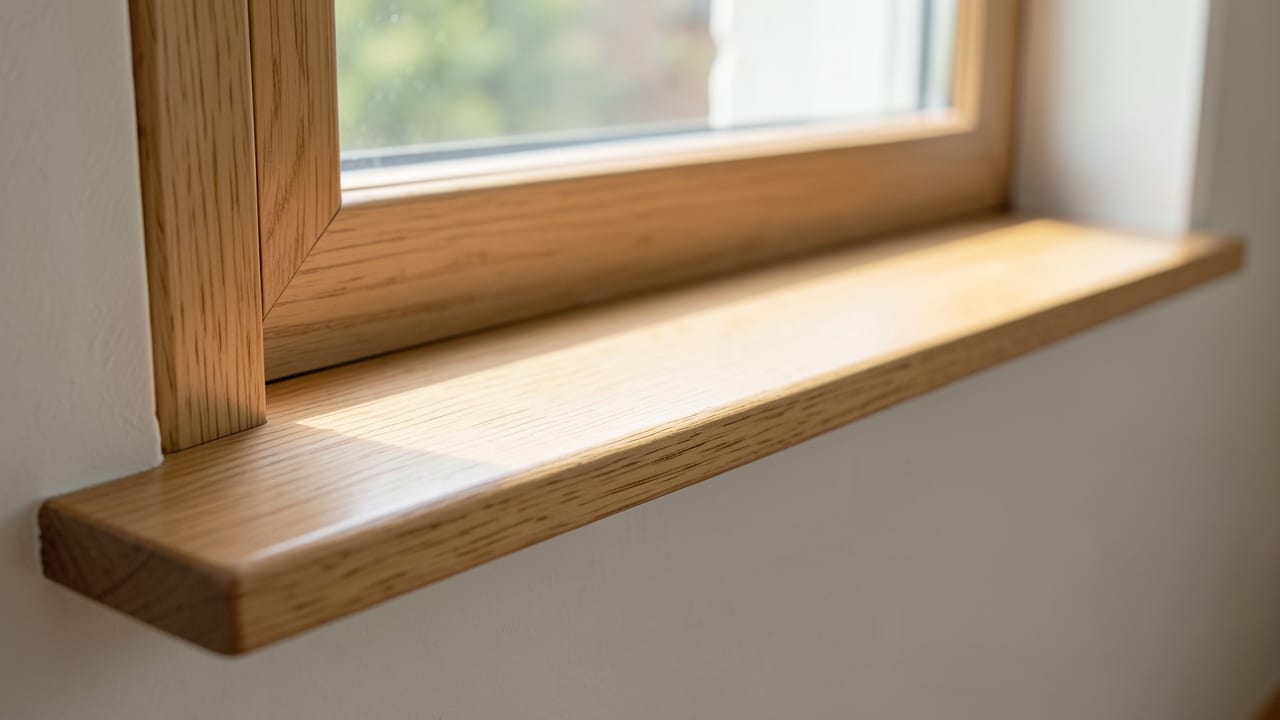
Window Sill Mold Cleanup
Professional cleanup of mold growth on window sills to restore a healthy indoor environment.
Window sill mold cleanup in Staatsburg, NY targets the unsightly and potentially harmful growth often found along window frames. This service involves containment, professional cleaning with antimicrobial treatments, and thorough drying to prevent regrowth. Proper remediation addresses visible mold while minimizing disruption to the rest of your home.
When to call for professional cleanup
Mold on window sills often starts as a small, isolated patch, but it can quickly spread if moisture issues persist. If the affected area exceeds a few square feet, or if the mold keeps returning after cleaning, professional intervention is recommended.
We also handle Mold Removal & Remediation and Water Damage Restoration for Staatsburg properties.
Persistent musty odors or visible growth in multiple locations also signal a deeper problem that requires expert attention.
Hidden moisture sources—such as leaks, poor ventilation, or high humidity—can cause mold to regrow even after cleanup. A professional assessment ensures the root cause is addressed, reducing the risk of recurrence.
In New York, mold remediation over 25 contiguous square feet typically requires a licensed contractor, as outlined in Labor Law Article 32.
Signs You Need Professional Mold Cleanup
- Mold covers more than a small, isolated patch (e.g., over 25 square feet).
- The mold keeps returning in the same spot after cleaning attempts.
- You notice a musty smell with no visible mold, especially when HVAC runs.
- The affected area is near a known moisture source (e.g., leaky window, poor drainage).
What affects pricing and scope
The cost of window sill mold cleanup in Staatsburg varies based on the size of the affected area, the type of mold, and whether hidden moisture sources need to be addressed.
Surface-level mold on drywall or tile typically costs between $560 and $2,250 per room, but black mold or extensive damage may increase the price by 15–25%. Additional factors, like containment setup and clearance testing, can also impact the final quote.
A thorough remediation job includes containment, HEPA filtration, structural drying, and post-cleanup testing. Skipping these steps—such as using non-HEPA vacuums or failing to fix moisture issues—can lead to higher long-term costs if the mold returns. Always verify whether a quote includes inspection, testing, and clearance verification to avoid unexpected expenses.
Why containment and testing matter
Proper containment during mold cleanup prevents spores from spreading to unaffected areas of your home. Plastic sheeting and negative-air machines seal off the work zone, while HEPA air scrubbers continuously filter the air to capture airborne spores.
Without these precautions, disturbed mold can circulate through your HVAC system, turning a small job into a larger infestation.
Post-remediation clearance testing—conducted by an independent third party—confirms that spore levels are back to normal before the work area is reopened. This step is critical for ensuring the cleanup was effective and reducing the risk of regrowth.
In New York, assessors must carry at least $50,000 in liability insurance, adding another layer of accountability to the process.
A torn plastic barrier, an open door, or improper negative-air setup can let spores escape during cleanup. Always confirm that containment is fully sealed before work begins to prevent cross-contamination.
How window sill mold cleanup works
Professional cleanup follows a structured process to safely remove mold and prevent recurrence.
- 1Containment Setup
Plastic sheeting and negative-air machines isolate the work area, creating a sealed zone to trap spores during removal.
- 2Mold Removal and Treatment
Porous materials like drywall are cut out and discarded, while non-porous surfaces are scrubbed with antimicrobial solutions to kill remaining spores.
- 3HEPA Filtration and Cleanup
HEPA vacuums and air scrubbers continuously filter the air and surfaces to capture and remove airborne spores, preventing further spread.
- 4Structural Drying
Industrial dehumidifiers and air movers dry the affected framing and subfloor to normal moisture levels, as dampness encourages regrowth.
- 5Clearance Testing
An independent lab tests air or surface samples to confirm spore counts are back to normal before the containment is removed.
Frequently asked questions
Can I clean window sill mold myself, or should I hire a professional?
Small, isolated patches can sometimes be cleaned with household products, but mold covering more than a few square feet or returning after cleaning usually requires professional remediation. Professionals use containment, HEPA filtration, and moisture control to prevent spread and recurrence.
How do I know if my window sill mold is black mold?
Black mold often appears dark greenish-black and has a slimy texture, but visual identification isn’t always reliable. Lab testing can confirm the species, which may impact remediation costs or methods. If you suspect black mold, professional assessment is recommended.
Will mold come back if I don’t fix the moisture source?
Yes. Removing mold without addressing leaks, condensation, or poor ventilation leaves the same materials exposed to moisture, leading to regrowth within months. A professional can identify and repair hidden moisture issues during the cleanup process.
How long does the cleanup process take for a single window sill?
The timeline depends on the size of the affected area and whether hidden moisture or structural damage is involved. A small, surface-level job may take a few hours, while larger or complex cases can require multiple days for containment, drying, and testing.
Where Staatsburg sits, and what the Census lists nearby
Staatsburg sits in New York, and the closest places listed in the U.S. Census Gazetteer are Port Ewen (4.5 miles northwest), Hyde Park (4.9 miles south), Rhinecliff (5 miles north), Rhinebeck (5.3 miles north). Within 25 miles of Staatsburg the same source lists 84 distinct incorporated places and census-designated places.
Those figures matter for window sill mold cleanup because they are straight-line distances between Census coordinate points: road mileage between Staatsburg and Port Ewen runs longer than the 4.5 miles shown, which is why quotes for the same job differ between towns that look close together on a map.
Source: U.S. Census Bureau Gazetteer.
See Salt Point, NY for more, or find out about our full crew's Staatsburg services step by step for our complete lineup.
Ready to get started?
Talk to a local mold remediation pro in Staatsburg — get a written quote.
Other Mold Remediation Services in Staatsburg
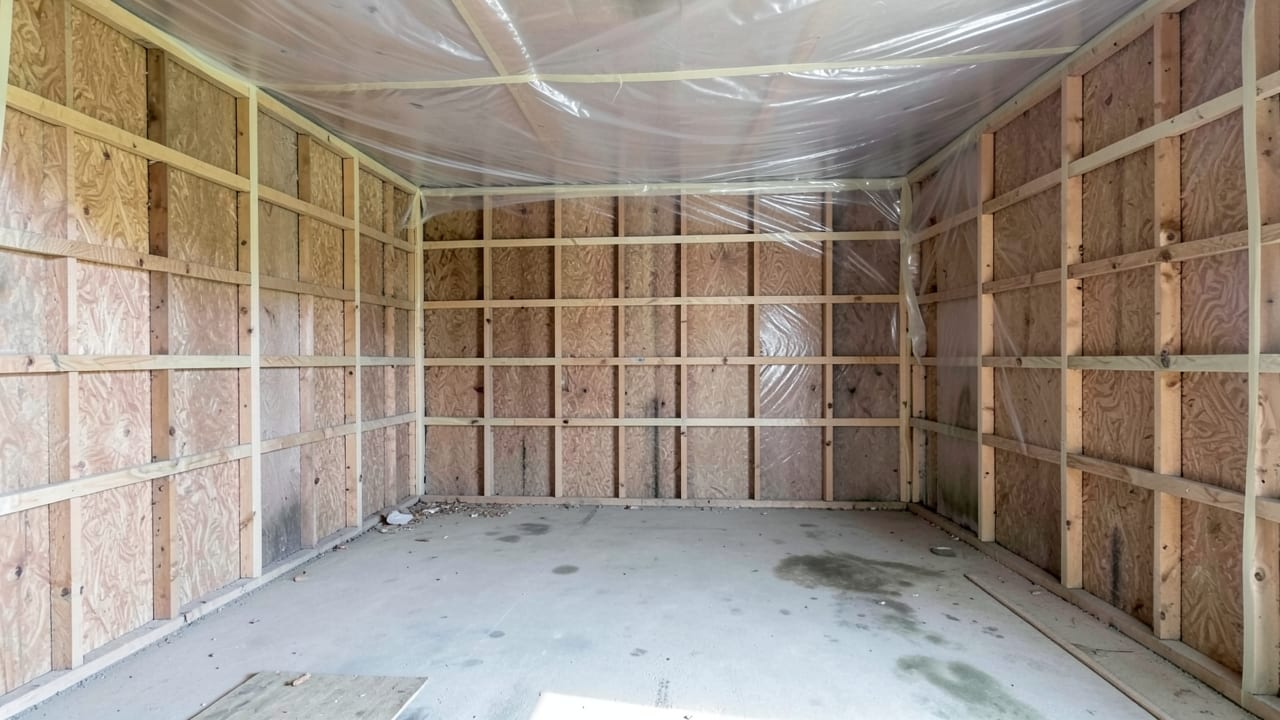
Mold Removal & Remediation in Staatsburg, NY
Mold removal and remediation in Staatsburg, NY — containment, HEPA filtration, and removal of affected material following industry (IICRC S520) protocol.
Learn More
Water Damage Restoration in Staatsburg, NY
Water damage restoration in Staatsburg, NY — extraction and structural drying to stop mold growth before it starts, following a leak, storm, or flood.
Learn More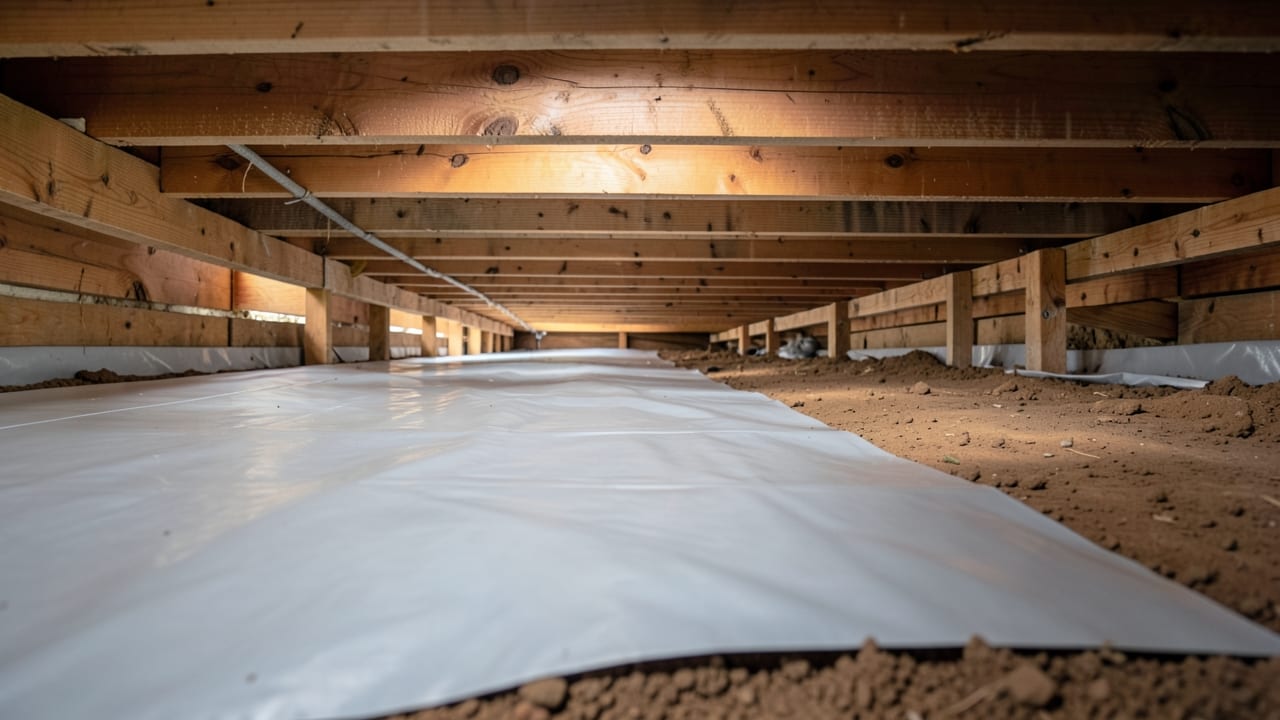
Crawl Space & Basement Mold Remediation in Staatsburg, NY
Crawl space and basement mold remediation in Staatsburg, NY addresses the two areas of a property most prone to trapped, unnoticed moisture.
Learn More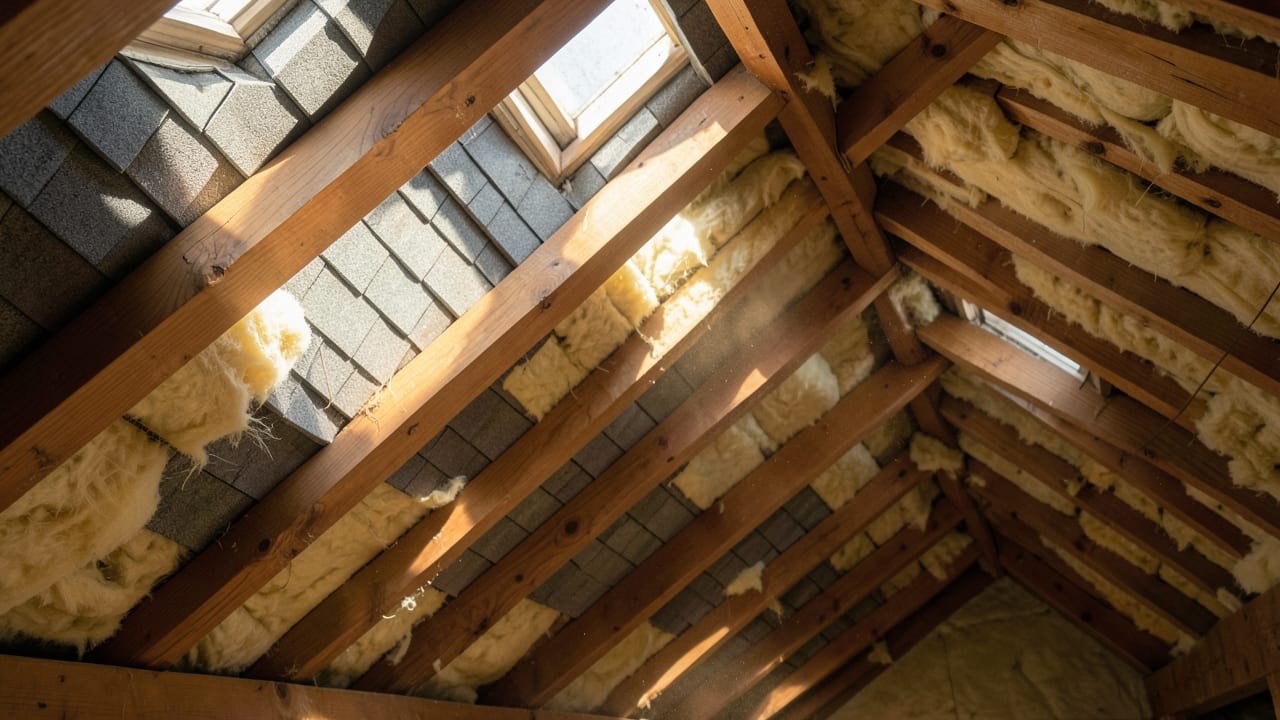
Attic Mold Remediation in Staatsburg, NY
Attic mold remediation in Staatsburg, NY addresses roof-deck growth typically caused by poor ventilation or a hidden roof leak.
Learn More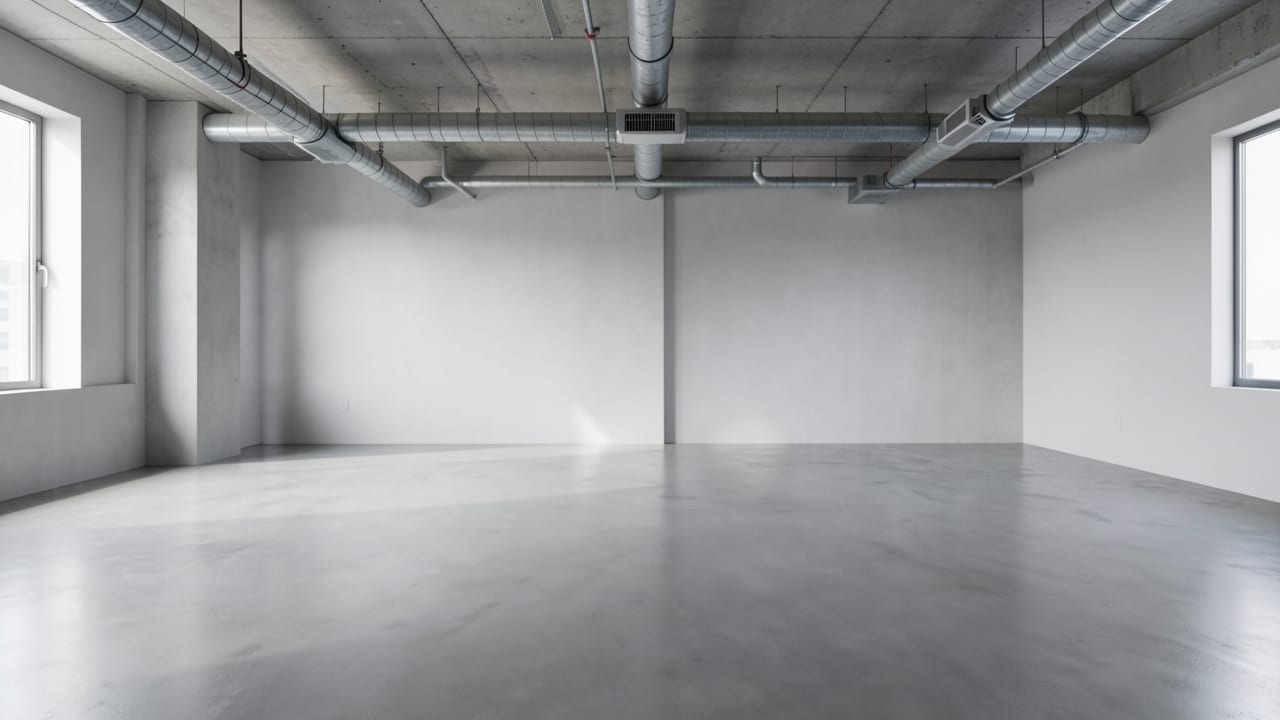
Commercial Mold Remediation in Staatsburg, NY
Commercial mold inspection and remediation in Staatsburg, NY for offices, retail space, and multi-unit properties, scheduled around business operations.
Learn More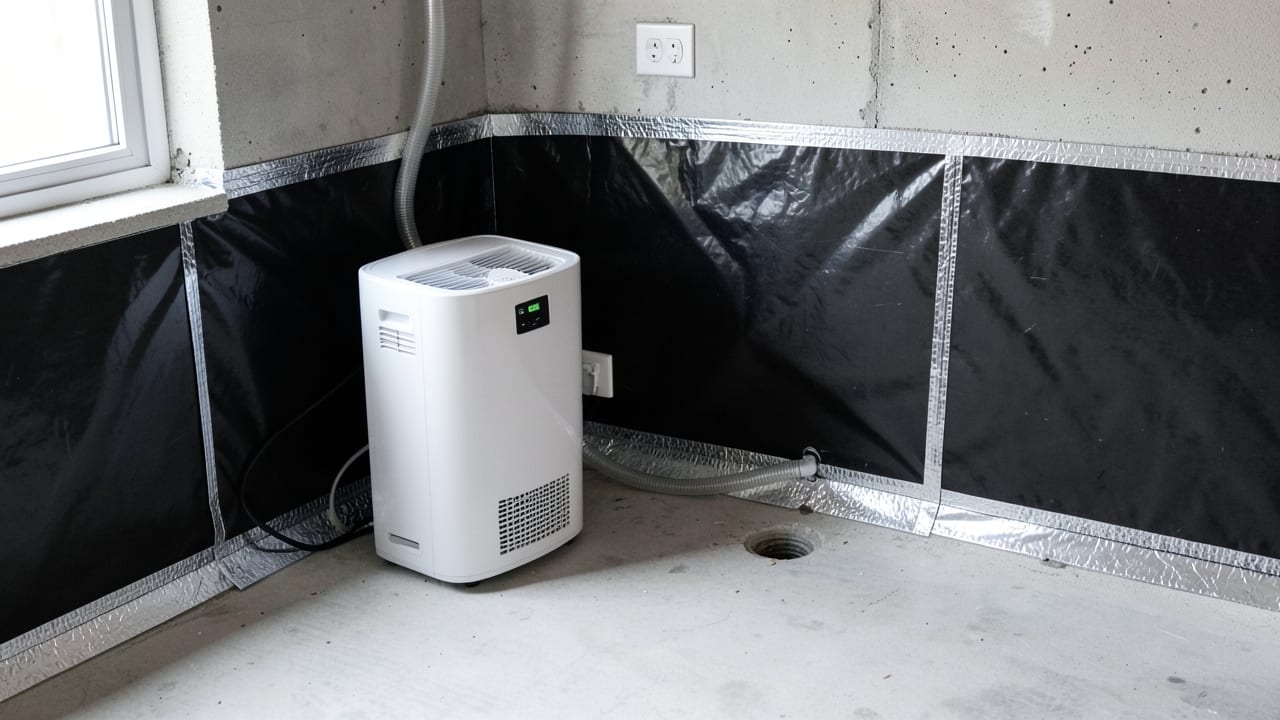
Mold Prevention & Moisture Control in Staatsburg, NY
Mold prevention and moisture control in Staatsburg, NY — addressing ventilation, humidity, and drainage before growth starts, not after.
Learn MoreCommon Questions About Mold Remediation in Staatsburg
Everything you need to know about mold remediation services in Staatsburg
How much does Window Sill Mold Cleanup typically cost in Staatsburg, NY?
Why does Staatsburg, NY's humidity make mold a bigger risk than in drier regions?
Can small mold problems be handled without hiring anyone?
What's the actual difference between mold removal and mold remediation?
Is a final clearance test part of a typical mold remediation job?
How does mold remediation actually prevent the problem from coming back?
Need Mold Remediation in Staatsburg?
Connect with local providers in Staatsburg for a detailed quote.
⏰ We answer your call • Serving all of Staatsburg and surrounding areas