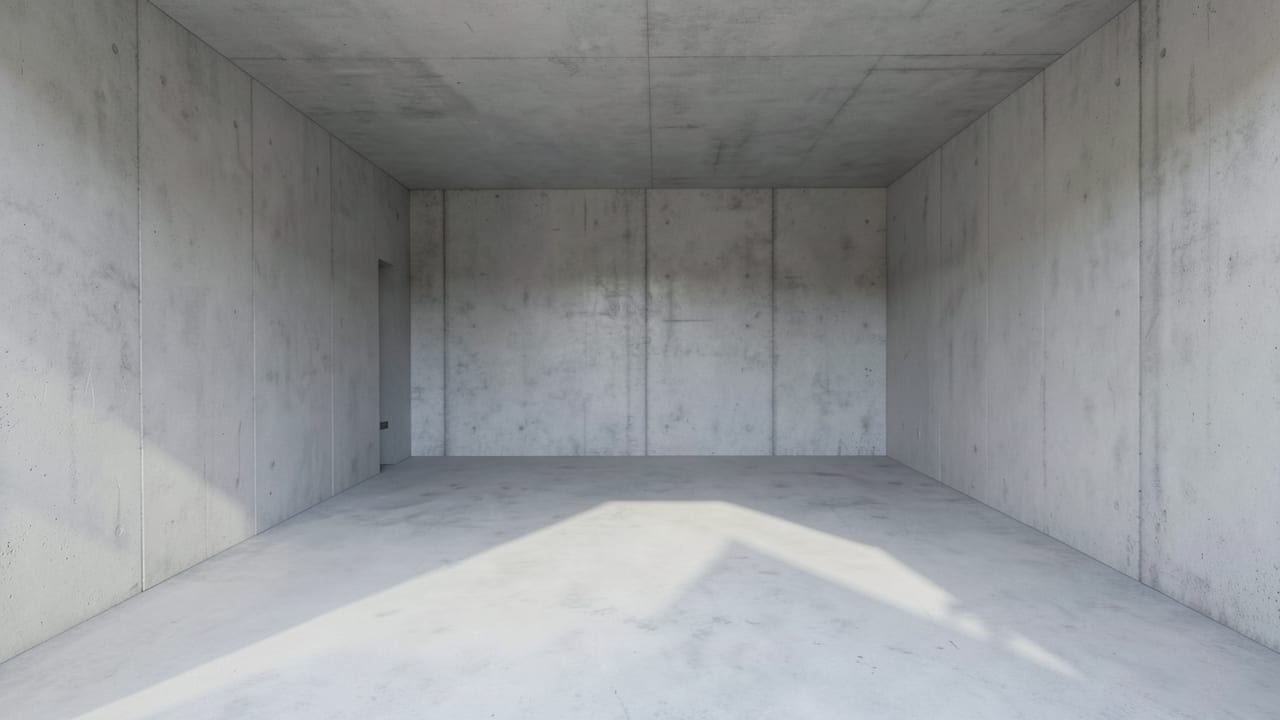
Garage Mold Removal
Professional assessment and removal of mold growth in garages to restore a safe, clean space.
Garage mold removal in Staatsburg, NY addresses dampness-related mold growth in garages, where poor ventilation and moisture create ideal conditions for colonies. The process involves containment, removal of affected materials, HEPA filtration, and drying to prevent regrowth.
Proper disposal and clearance testing ensure a thorough resolution, with work regulated under New York’s Labor Law Article 32.
We also handle Crawl Space & Basement Mold Remediation and Attic Mold Remediation for Staatsburg properties.
When to call for garage mold removal
Garage mold often starts small but spreads quickly in damp, poorly ventilated spaces. Look for visible patches larger than a few square feet, recurring growth after cleaning, or a persistent musty odor—especially when the HVAC runs. Hidden mold behind walls or under flooring may require professional tools to detect.
New York’s Labor Law Article 32 requires licensed professionals for mold remediation over 25 contiguous square feet. If mold keeps returning, the moisture source (leaks, condensation, or grading issues) likely hasn’t been addressed. A professional assessment determines whether cleanup or full removal is needed.
Signs Your Garage Mold Needs Professional Removal
- Mold covers more than a small, isolated patch (25 sq ft or larger).
- Growth returns within weeks after cleaning, indicating an unresolved moisture issue.
- A musty smell persists even after visible mold is wiped away.
- Condensation or water stains appear on walls, ceilings, or flooring.
- The HVAC system spreads the smell to other rooms when turned on.
What affects cost and timeline?
Pricing for garage mold removal in Staatsburg typically ranges from $560 to $2,250 per affected room, depending on the size, material type, and severity. Black mold cases may cost 15–25% more. Containment, HEPA filtration, and clearance testing are often billed separately, so quotes should specify what’s included.
The process takes 1–3 days for a single garage, depending on containment setup, material removal, and drying time. Industrial dehumidifiers and air movers run continuously until moisture levels return to normal. Clearance testing adds 1–2 days and must be done by an independent party.
What to expect after remediation
After mold removal, the garage should feel dry and free of odors. However, regrowth can occur if the moisture source isn’t fixed. Use a small dehumidifier or fan in persistently damp areas, and monitor humidity levels for the first year.
Outdoor grading or downspout issues should also be addressed to prevent future problems.
New York law prohibits the same company from assessing and remediating the same job, ensuring an unbiased scope of work. Always request a written contract detailing containment, testing, and moisture fixes before work begins.
| Step | What’s Done | Why It Matters |
|---|---|---|
| Containment | Plastic sheeting and negative-air machines seal the work area. | Prevents spores from spreading to unaffected spaces. |
| Material Removal | Porous materials (drywall, insulation) are cut out; non-porous surfaces (tile, framing) are cleaned. | Eliminates hidden mold in porous materials. |
| HEPA Filtration | Air scrubbers and HEPA vacuums run continuously during removal. | Captures airborne spores instead of recirculating them. |
| Drying | Industrial dehumidifiers and air movers reduce moisture to safe levels. | Prevents regrowth on damp surfaces. |
| Clearance Testing | Independent lab tests confirm spore counts are back to normal. | Verifies the work meets regulatory standards. |
How garage mold removal works
A thorough garage mold removal follows strict containment and filtration protocols to stop regrowth.
- 1Containment Setup
Plastic sheeting and negative-air machines seal the garage, creating a controlled zone to trap spores during removal. Doors and vents are blocked to prevent cross-contamination.
- 2Material Removal or Cleaning
Porous materials (drywall, carpet padding) with deep mold growth are cut out and double-bagged. Non-porous surfaces (concrete, metal) are scrubbed with antimicrobial treatments.
- 3HEPA Filtration
HEPA air scrubbers and vacuums run continuously to capture airborne spores. Standard filters are insufficient, as they allow spores to recirculate.
- 4Structural Drying
Industrial dehumidifiers and fans dry framing and subflooring until moisture readings match unaffected areas. Hidden dampness fuels regrowth if left unaddressed.
- 5Clearance Testing
An independent lab tests air and surfaces for residual spores. Results determine whether containment can be removed and the garage is considered clear.
Frequently asked questions
How do I know if my garage mold is too much for DIY cleaning?
If mold covers more than 25 square feet, keeps returning after cleaning, or you notice a musty smell with no visible source, professional removal is recommended. New York law also requires licensed work for larger or persistent cases.
Will the mold come back if I only clean the visible spots?
Yes, unless the moisture source (leaks, condensation, or poor ventilation) is fixed. Mold remediation removes existing growth, but prevention depends on addressing the underlying dampness.
Do I need to stay out of the house during garage mold removal?
You may be asked to limit access to other parts of the home during containment, but the garage itself is typically safe to enter once sealed. Follow your contractor’s guidelines for ventilation.
How long until the garage is safe to use after remediation?
Once containment is removed and clearance testing confirms safe spore levels, the garage can be used normally. Drying and testing may take an additional 1–2 days beyond the removal process.
Where Staatsburg sits, and what the Census lists nearby
Staatsburg sits in New York, and the closest places listed in the U.S. Census Gazetteer are Port Ewen (4.5 miles northwest), Hyde Park (4.9 miles south), Rhinecliff (5 miles north), Rhinebeck (5.3 miles north). Within 25 miles of Staatsburg the same source lists 84 distinct incorporated places and census-designated places.
Those figures matter for garage mold removal because they are straight-line distances between Census coordinate points: road mileage between Staatsburg and Port Ewen runs longer than the 4.5 miles shown, which is why quotes for the same job differ between towns that look close together on a map.
Source: U.S. Census Bureau Gazetteer.
See Rhinebeck, NY for more, or browse our complete Staatsburg service list by neighborhood for our complete lineup.
Ready to get started?
Talk to a local mold remediation pro in Staatsburg — get a written quote.
Other Mold Remediation Services in Staatsburg
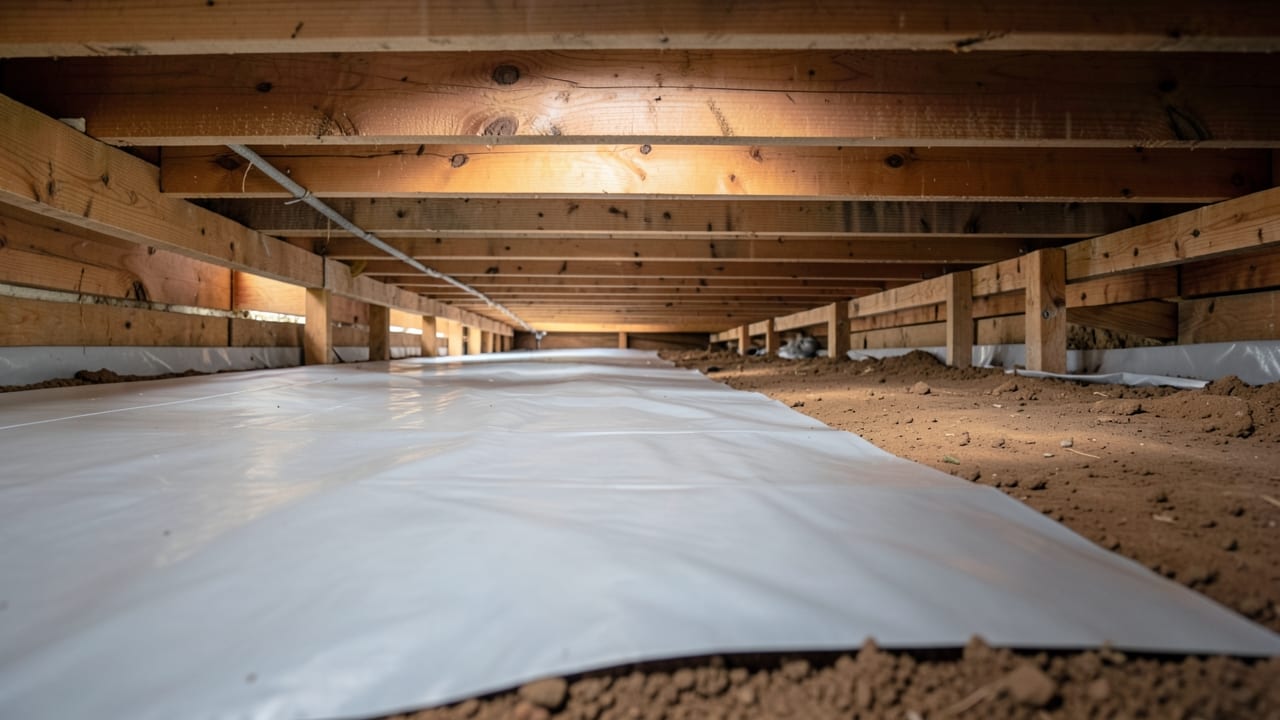
Crawl Space & Basement Mold Remediation in Staatsburg, NY
Crawl space and basement mold remediation in Staatsburg, NY addresses the two areas of a property most prone to trapped, unnoticed moisture.
Learn More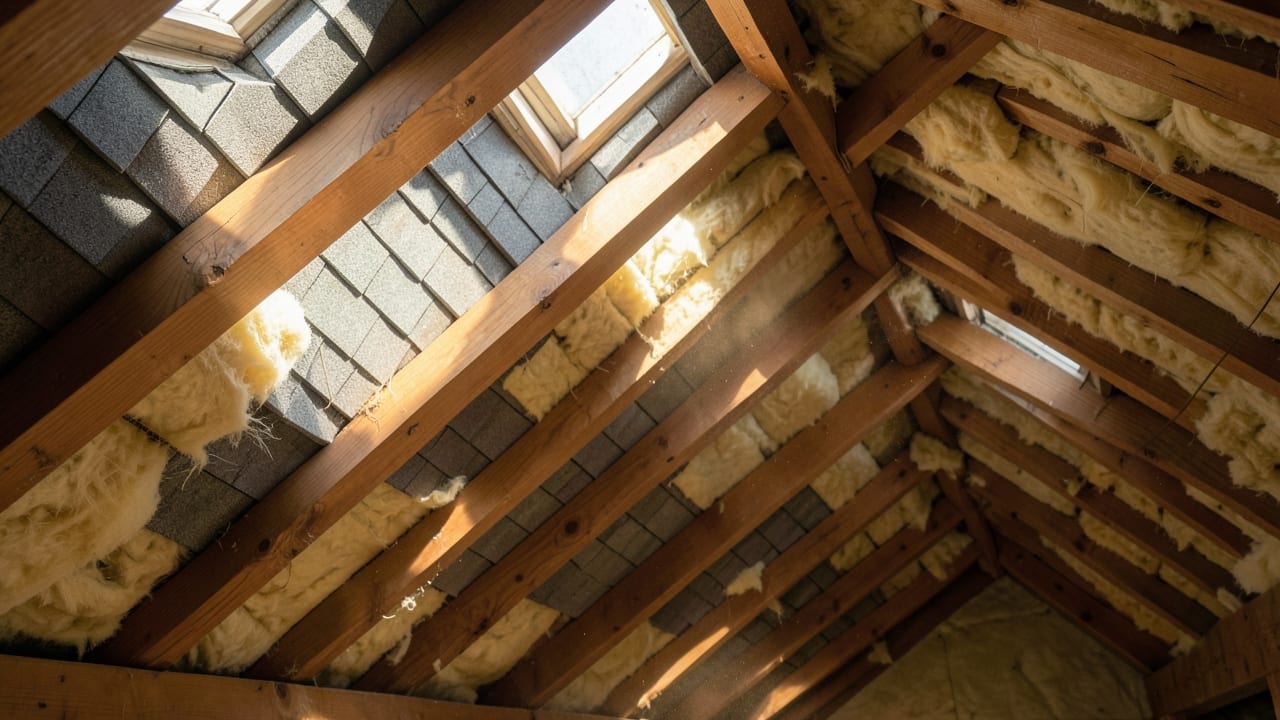
Attic Mold Remediation in Staatsburg, NY
Attic mold remediation in Staatsburg, NY addresses roof-deck growth typically caused by poor ventilation or a hidden roof leak.
Learn More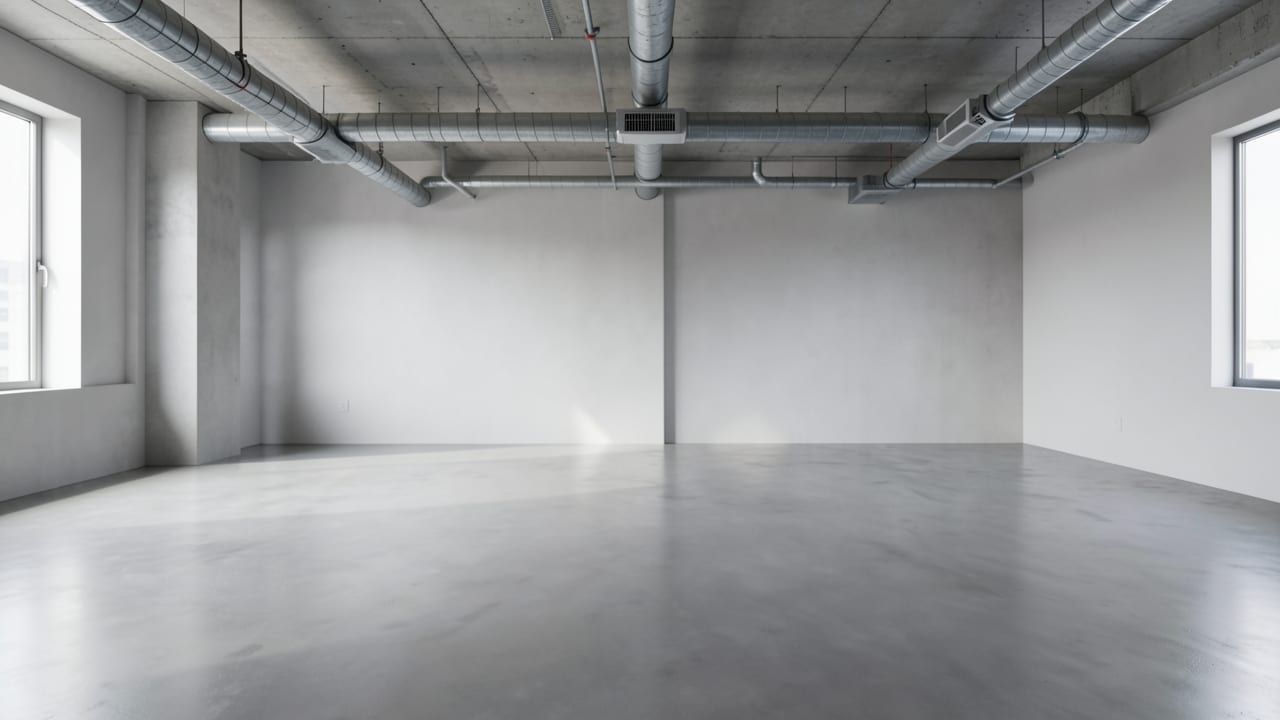
Commercial Mold Remediation in Staatsburg, NY
Commercial mold inspection and remediation in Staatsburg, NY for offices, retail space, and multi-unit properties, scheduled around business operations.
Learn More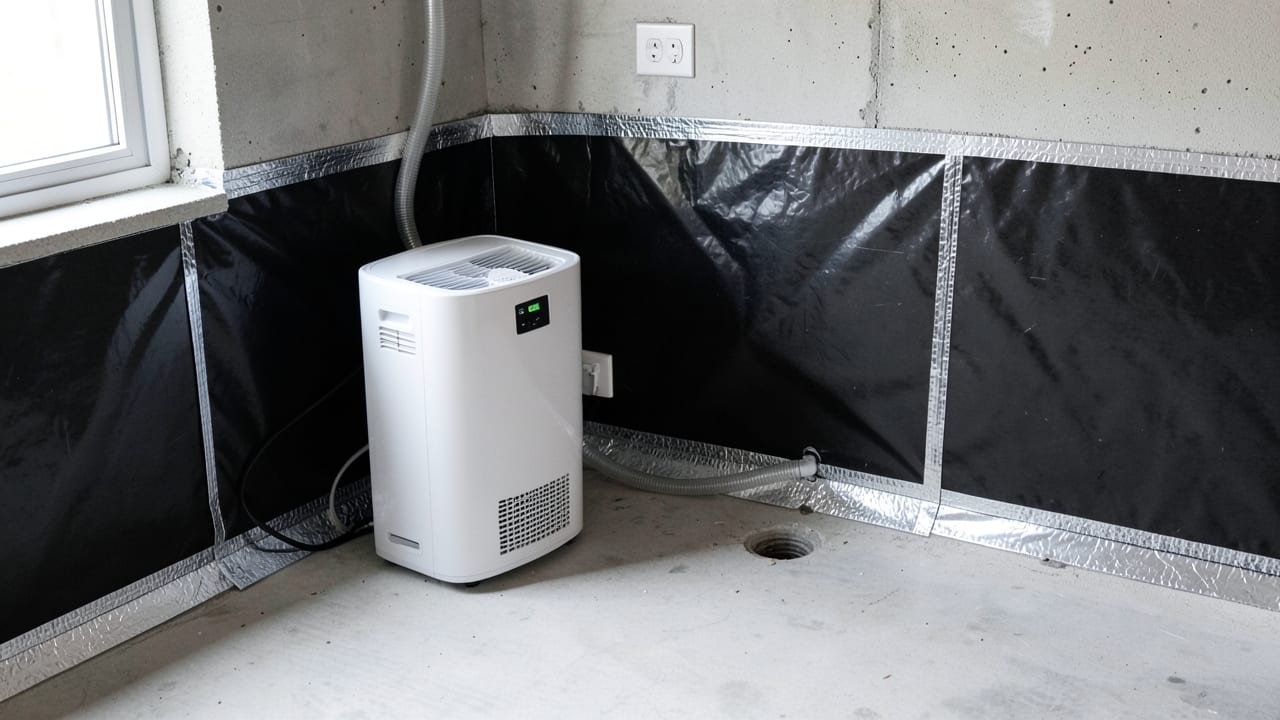
Mold Prevention & Moisture Control in Staatsburg, NY
Mold prevention and moisture control in Staatsburg, NY — addressing ventilation, humidity, and drainage before growth starts, not after.
Learn More
Mold & Asbestos Testing in Staatsburg, NY
Combined mold and asbestos testing in Staatsburg, NY — one inspection visit, lab-verified results for both.
Learn More
HVAC Mold Remediation in Staatsburg, NY
HVAC and ductwork mold remediation in Staatsburg, NY — mold growing inside the air handler or duct system, spreading through every vent.
Learn MoreCommon Questions About Mold Remediation in Staatsburg
Everything you need to know about mold remediation services in Staatsburg
How much does Garage Mold Removal typically cost in Staatsburg, NY?
Why does Staatsburg, NY's humidity make mold a bigger risk than in drier regions?
Can mold growing inside HVAC ductwork spread to the rest of a home?
Does mold mean the same thing as mildew?
Does homeowners insurance typically cover mold remediation?
Is black mold actually more dangerous than other mold types?
Need Mold Remediation in Staatsburg?
Connect with local providers in Staatsburg for a detailed quote.
⏰ We answer your call • Serving all of Staatsburg and surrounding areas