The Science Behind Post-Remediation Verification in Staatsburg
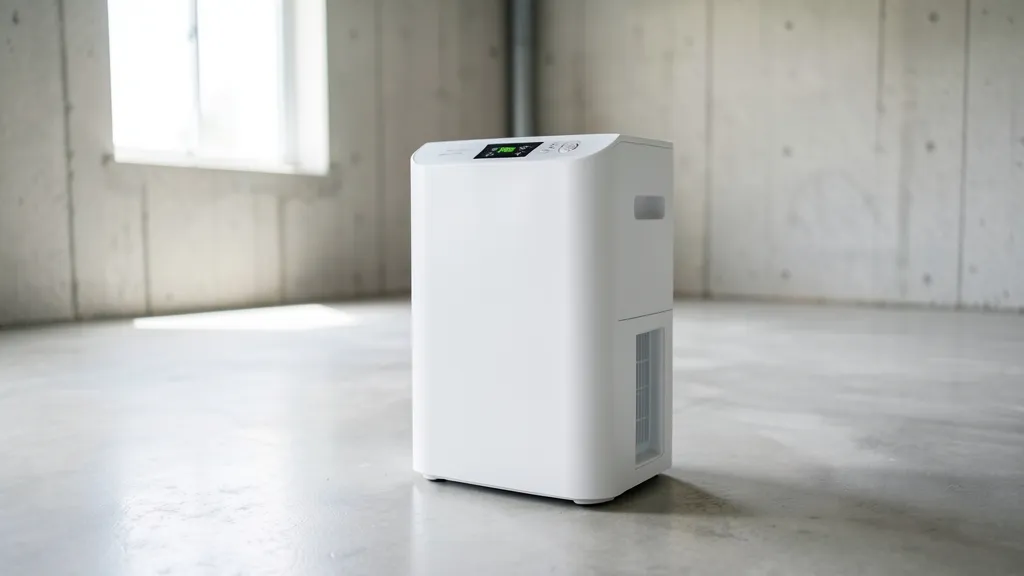
Post-remediation verification isn’t just a final check—it’s the scientific proof that mold remediation worked. In humid climates like ours, where basements in Rhinebeck or attics in Hyde Park can harbor hidden spores, verification separates a job from a lasting solution. Our team uses lab-backed methods to confirm your space is truly safe.
Why Post-Remediation Verification Matters
Mold remediation removes visible colonies, but microscopic spores and hyphal fragments can linger. Without verification, you risk regrowth—especially in damp areas like crawl spaces or after water damage in Poughkeepsie.
Verification follows the IIICRC S520 standard, ensuring remediation meets health and safety benchmarks. It’s not optional; it’s the only way to confirm the air and surfaces are free of harmful concentrations.
Even dead mold can trigger allergies or respiratory issues. Verification tests for both viable and non-viable spores to protect your health.
The Science: How We Test for Mold After Remediation
We start with a visual inspection, but the real science lies in sampling. Air sampling captures spore counts in cubic feet of air, while surface sampling (tape, swab, or bulk) checks for residual contamination on materials.
Samples are sent to an accredited lab for analysis. They identify mold genera/species and compare indoor spore counts to outdoor baselines—a critical step in Rhinecliff’s river-adjacent homes, where outdoor mold levels can be high.
Air vs. Surface Sampling: What’s the Difference?
Air sampling measures airborne spores, ideal for assessing overall indoor air quality. It’s essential for HVAC systems or large open spaces like commercial buildings.
| Method | Best For | Limitations |
|---|---|---|
| Air Sampling (Spore Trap) | Assessing airborne spore levels, HVAC contamination | Doesn’t identify hidden mold in walls |
| Surface Sampling (Tape Lift) | Visible mold on surfaces, confirming remediation of specific areas | Limited to tested surfaces only |
| Swab Sampling | Porous/non-porous materials, targeted testing | Less effective for large areas |
| Bulk Sampling | Identifying mold in building materials (e.g., drywall, insulation) | Destructive; requires lab culturing |
Moisture Mapping: The Invisible Threat
Mold can’t grow without moisture. We use thermal imaging and moisture meters to map hidden water sources—common in basements near the Hudson or after flooding in Staatsburg.
Post-remediation, we recheck moisture levels in walls, floors, and ceilings. If relative humidity exceeds 60% or materials retain >15% moisture content, regrowth is inevitable without further drying or dehumidification.
Clearance Testing: The Final Hurdle
Clearance testing is the official pass/fail moment. A third-party inspector (or our team, depending on protocol) compares post-remediation samples to pre-remediation baselines.
For a pass, indoor spore counts must match or fall below outdoor levels, and no remediated areas can show elevated contamination. This is non-negotiable for commercial properties or homes with immune-compromised residents.
Some projects require independent verification to avoid conflicts of interest. We always recommend transparency—whether it’s our team or a third party conducting the test.
Common Pitfalls in Post-Remediation Verification
Skipping verification is the biggest mistake. Others include testing too soon (before remediation is fully dry), ignoring HVAC systems, or using uncalibrated equipment.
In attics, poor ventilation can skew results. In basements, failing to test subfloor areas or crawl spaces leaves blind spots. Our team accounts for these local quirks—like Rhinebeck’s older homes with limited attic access.
What Happens If Verification Fails?
A failed test doesn’t mean remediation was a waste. It pinpoints gaps: missed contamination, inadequate drying, or cross-contamination during cleanup. We’ll retest after addressing the issue—no extra charge for the follow-up inspection.
In persistent cases, we may recommend deeper measures like crawl space encapsulation or installing a dedicated dehumidifier for basements in Hyde Park’s humid zones.
Ensure all wet materials are removed or thoroughly dried before verification. Run air scrubbers during and after remediation to capture airborne spores.
How to Prepare for Post-Remediation Verification
A smooth verification process starts with proper preparation.
- 1Complete Drying
Ensure all remediated areas are fully dry. Use dehumidifiers and fans for at least 24-48 hours post-cleanup.
- 2Isolate the Area
Keep pets, people, and HVAC systems off in the remediated space to avoid cross-contamination.
- 3Avoid Cleaning
Don’t vacuum or dust the area before testing—this can skew spore count results.
- 4Document Changes
Note any new water leaks, odors, or visible mold since remediation. Share this with the inspector.
- 5Clear Access
Move furniture or stored items away from walls, ceilings, and corners for thorough sampling.
Frequently Asked Questions
How long does post-remediation verification take in Staatsburg?
Air and surface samples take 1-2 hours to collect on-site. Lab analysis typically takes 24-48 hours, with results and clearance reports delivered shortly after. Rush services may be available for urgent cases.
Is post-remediation verification required by law in New York?
New York State doesn’t mandate verification for residential projects, but it’s strongly recommended—and often required by insurance, real estate transactions, or commercial contracts. For peace of mind, we always advise it.
Can I do my own mold testing after remediation?
DIY test kits exist, but they lack the precision of professional equipment and lab analysis. They also don’t follow the S520 standard, which is critical for accurate, defensible results. For verification, professional testing is the gold standard.
What’s the difference between mold testing and post-remediation verification?
Mold testing identifies the presence and type of mold before remediation. Post-remediation verification confirms that remediation was successful by comparing post-cleanup conditions to pre-remediation baselines or outdoor controls.
Does verification cover mold in HVAC systems?
Yes, but it requires specialized sampling. We use duct tape lifts or air sampling directly from vents to check for contamination in HVAC systems—a common issue in older homes in Rhinecliff or Poughkeepsie.
How much does post-remediation verification cost?
Costs vary based on the size of the area, number of samples, and lab fees. Factors include the type of sampling (air, surface, bulk), the need for moisture mapping, and whether third-party testing is required. Request a quote for an accurate estimate.