Clinic Mold Remediation
Professional mold removal and remediation to restore safe, healthy indoor spaces.
Clinic Mold Remediation in Staatsburg, NY specializes in addressing mold growth in homes by containing, removing, and preventing regrowth. Trained technicians identify affected areas, safely eliminate spores, and treat surfaces to ensure a thorough cleanup process that protects your home and health.
Proper remediation is critical when mold spreads beyond small patches or keeps returning after cleaning attempts.
We also handle Warehouse Mold Cleanup and Tile & Grout Mold Cleanup for Staatsburg properties.
When to call for mold remediation
Mold growth in your home can often be addressed with simple cleaning, but certain signs indicate the need for professional remediation. If mold covers more than a small, isolated patch—especially over 25 contiguous square feet—it’s typically beyond DIY solutions.
Persistent regrowth in the same spot suggests an underlying moisture issue that must be fixed, not just the visible mold. A musty smell with no visible mold often signals hidden growth, such as behind walls or under flooring.
Other warning signs include mold spreading into HVAC ducts or returning shortly after cleaning. These situations require professional intervention to prevent further contamination and health risks. Addressing the root cause—like leaks, condensation, or poor airflow—is essential to prevent future outbreaks.
Signs Professional Mold Remediation Is Needed
- Mold covers more than 25 contiguous square feet (a threshold recognized in states like Texas).
- Mold keeps returning in the same spot after cleaning attempts.
- A musty smell persists with no visible mold, especially when HVAC runs.
- Mold is found in multiple rooms, behind walls, or inside ductwork.
- You notice health symptoms (sneezing, itchy eyes, or respiratory issues) linked to mold exposure.
What affects pricing and timing
The cost of mold remediation depends on the size of the affected area, the type of materials involved, and the extent of containment and drying required. Porous materials like drywall or insulation are often removed and replaced, while non-porous surfaces like tile or metal framing can be cleaned and treated.
The presence of hidden mold—such as behind walls or under flooring—can also increase labor and material costs.
Timing is influenced by the need for structural drying, clearance testing, and coordination with independent inspectors. Containment, HEPA filtration, and thorough drying ensure the job is done correctly, but these steps add time and cost.
A full remediation job typically includes inspection, containment, removal, drying, and clearance testing—each step is critical to preventing regrowth.
Why containment and testing matter
Proper containment prevents mold spores from spreading to unaffected areas during removal. Plastic sheeting and negative-air machines seal the work zone, ensuring spores stay contained rather than drifting through hallways or HVAC systems.
Without containment, a small job can quickly become much larger as spores colonize new surfaces. HEPA air scrubbers and vacuums are used to capture spores that become airborne during the process.
Clearance testing by an independent third party confirms that spore counts return to normal levels before containment is removed. This step is critical because it verifies the remediation was effective. Skipping testing leaves uncertainty about whether the mold has been fully addressed, risking regrowth or hidden contamination.
A tear in plastic sheeting, an open door, or improper negative-air pressure lets spores escape containment, turning a contained job into a larger contamination problem. Always ensure technicians follow strict containment protocols to protect your home.
How mold remediation works
Professional mold remediation follows a structured process to safely remove growth and prevent regrowth.
- 1Containment Setup
Plastic sheeting and negative-air machines seal the affected area to prevent spores from spreading during removal. This step ensures spores stay contained rather than drifting into other parts of the home.
- 2Material Removal or Cleaning
Porous materials like drywall or insulation are cut out and bagged, as mold grows into these materials. Non-porous surfaces like tile or metal framing are scrubbed and treated to kill remaining spores.
- 3HEPA Filtration and Drying
HEPA air scrubbers run continuously to capture airborne spores, and surfaces are vacuumed with HEPA-equipped tools. Industrial dehumidifiers and air movers dry the structure to prevent mold from returning due to lingering moisture.
- 4Clearance Testing
An independent lab tests air or surface samples to confirm spore counts are back to normal levels. This step verifies the remediation was effective before containment is removed.
- 5Moisture Source Fix
The root cause—such as leaks, condensation, or poor airflow—is addressed to prevent future mold growth. Fixing the moisture source is critical to ensuring the remediation lasts.
Frequently asked questions
How do I know if my mold problem is serious enough to need professional remediation?
If mold covers more than 25 square feet, keeps returning after cleaning, or is hidden behind walls or in ductwork, professional remediation is likely needed. A musty smell with no visible mold or health symptoms like respiratory issues are also red flags.
Will mold come back if it’s only cleaned and not removed?
Yes, mold often returns if the underlying moisture source isn’t fixed. Porous materials like drywall or insulation may need removal, as cleaning alone doesn’t eliminate mold growing deep within them.
How long does the remediation process typically take?
The timeline varies depending on the size of the affected area, materials involved, and drying requirements. Containment, removal, and clearance testing can take several days to complete thoroughly.
Is it safe to stay in my home during mold remediation?
It’s generally safe if containment is properly maintained, but some technicians may recommend temporary relocation for large or highly contaminated jobs. Ask your provider about their containment protocols before proceeding.
Where Staatsburg sits, and what the Census lists nearby
Staatsburg sits in New York, and the closest places listed in the U.S. Census Gazetteer are Port Ewen (4.5 miles northwest), Hyde Park (4.9 miles south), Rhinecliff (5 miles north), Rhinebeck (5.3 miles north). Within 25 miles of Staatsburg the same source lists 84 distinct incorporated places and census-designated places.
Those figures matter for clinic mold remediation because they are straight-line distances between Census coordinate points: road mileage between Staatsburg and Port Ewen runs longer than the 4.5 miles shown, which is why quotes for the same job differ between towns that look close together on a map.
Source: U.S. Census Bureau Gazetteer.
See Poughkeepsie, NY for more, or explore everything Staatsburg homeowners can book with us at a glance for our complete lineup.
Ready to get started?
Talk to a local mold remediation pro in Staatsburg — get a written quote.
Other Mold Remediation Services in Staatsburg
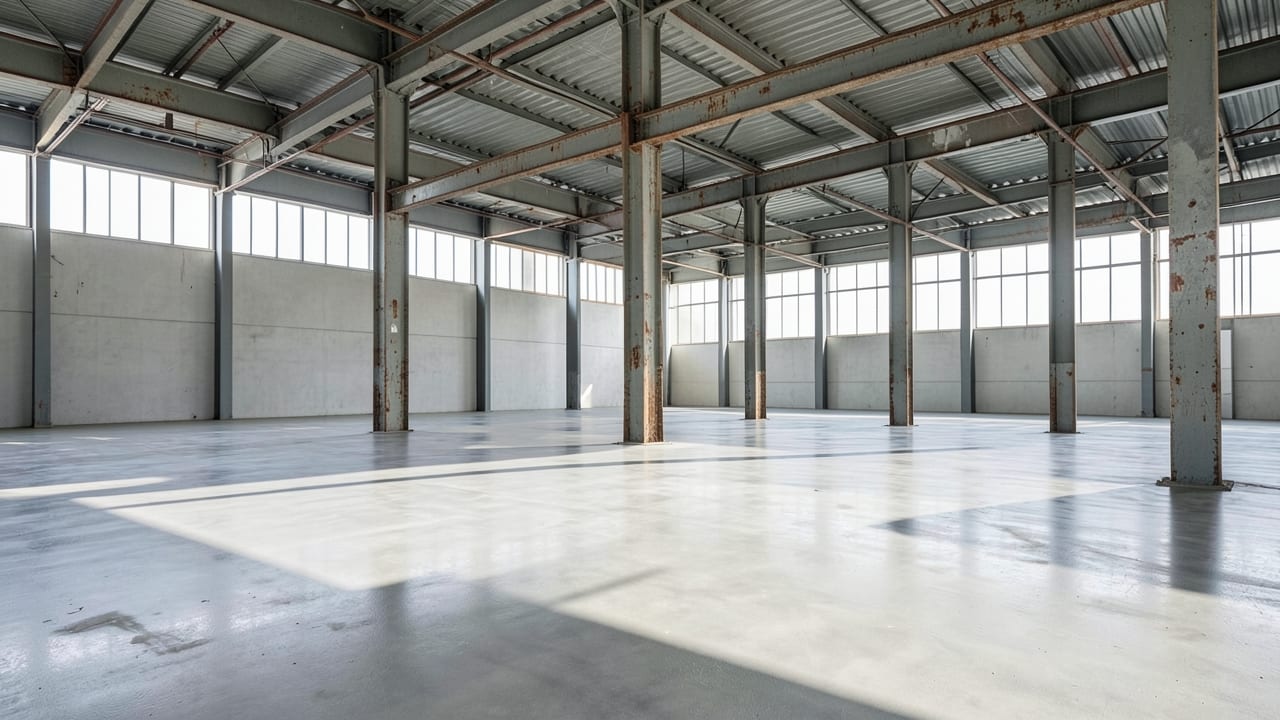
Warehouse Mold Cleanup in Staatsburg, NY
Professional removal of mold from warehouse spaces to restore safe, clean conditions.
Learn More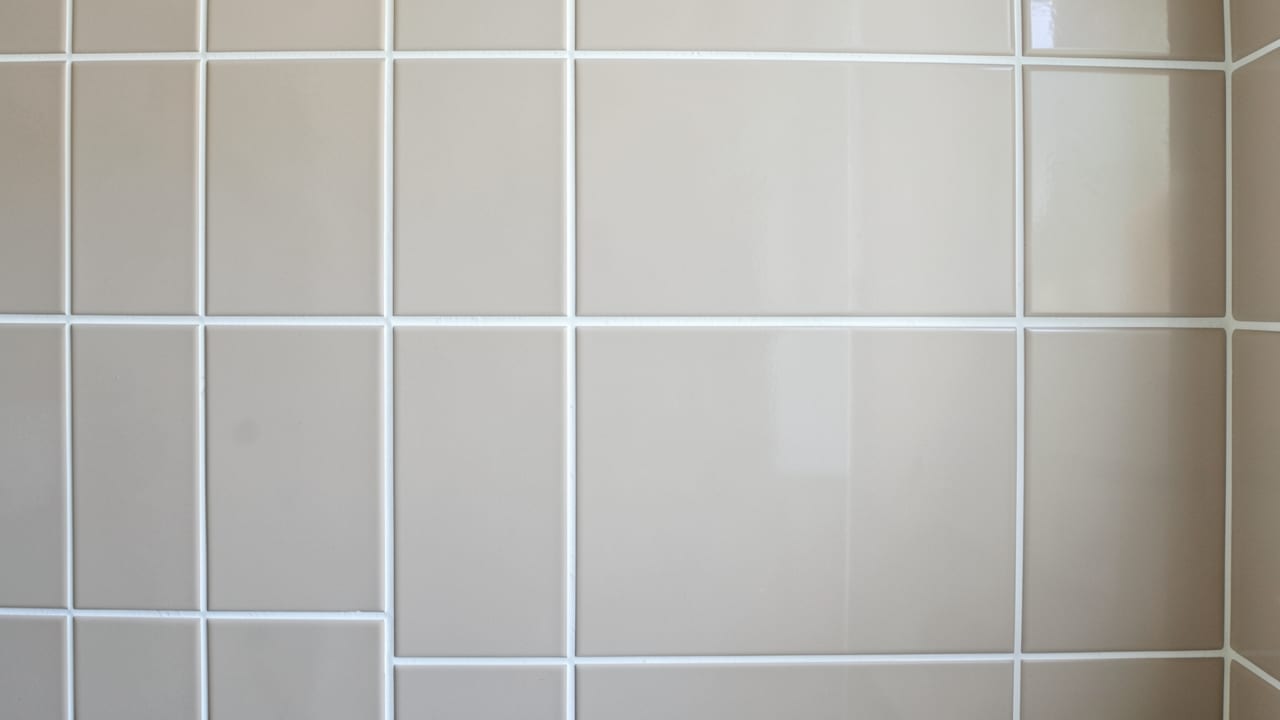
Tile & Grout Mold Cleanup in Staatsburg, NY
Professional removal of mold from tile and grout surfaces in bathrooms, kitchens, and other tiled areas.
Learn More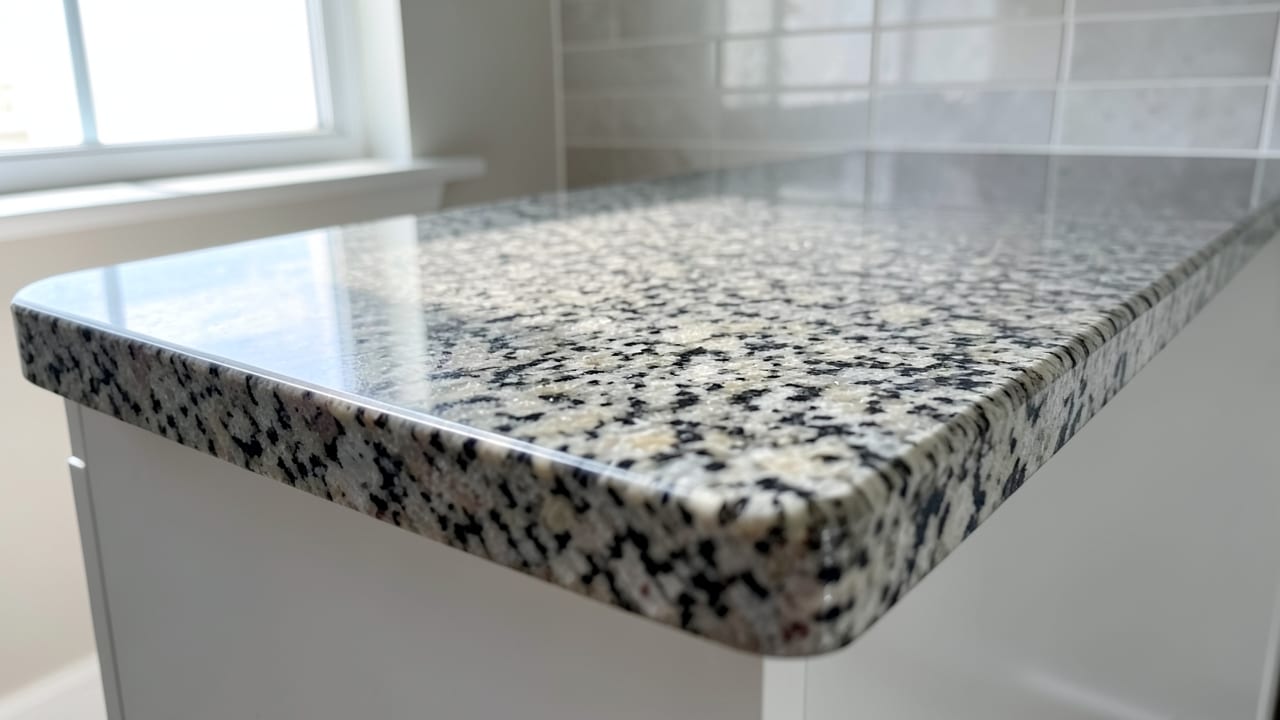
Stone Countertop Mold Removal in Staatsburg, NY
Professional removal of mold from stone countertops using specialized cleaning and treatment methods.
Learn More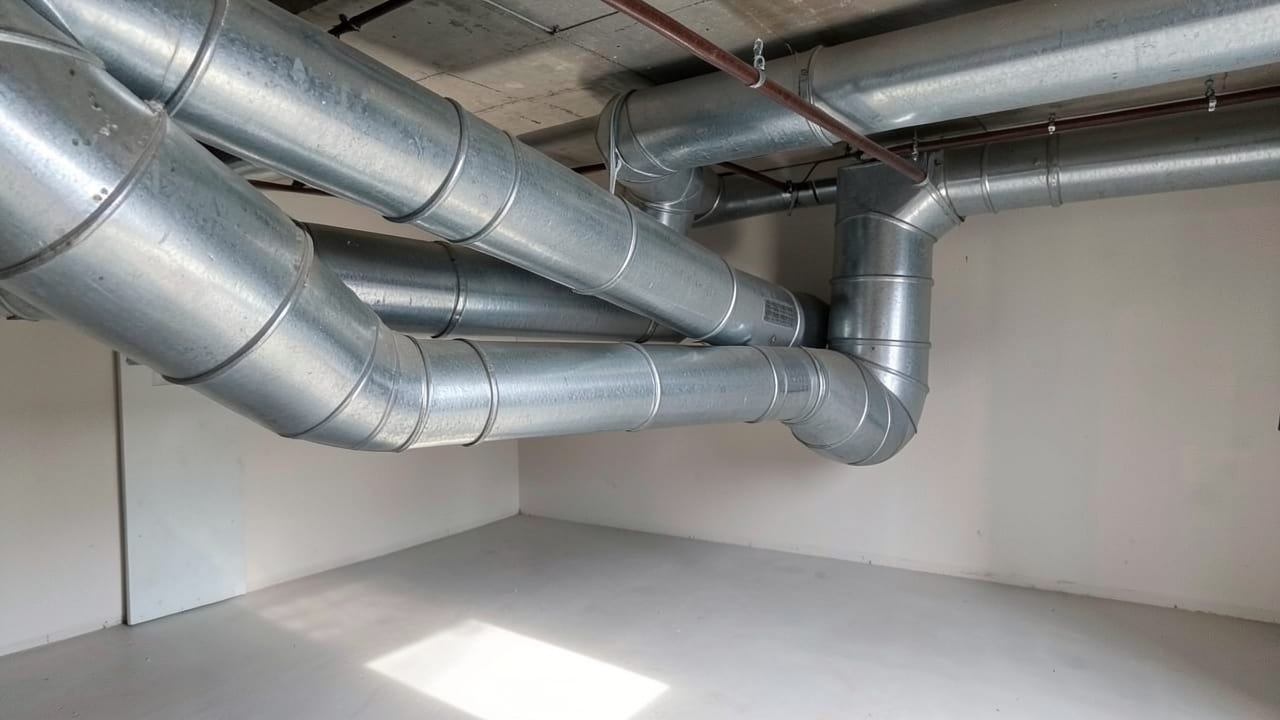
Metal Ductwork Mold Remediation in Staatsburg, NY
Professional removal of mold from metal ductwork to restore indoor air quality.
Learn More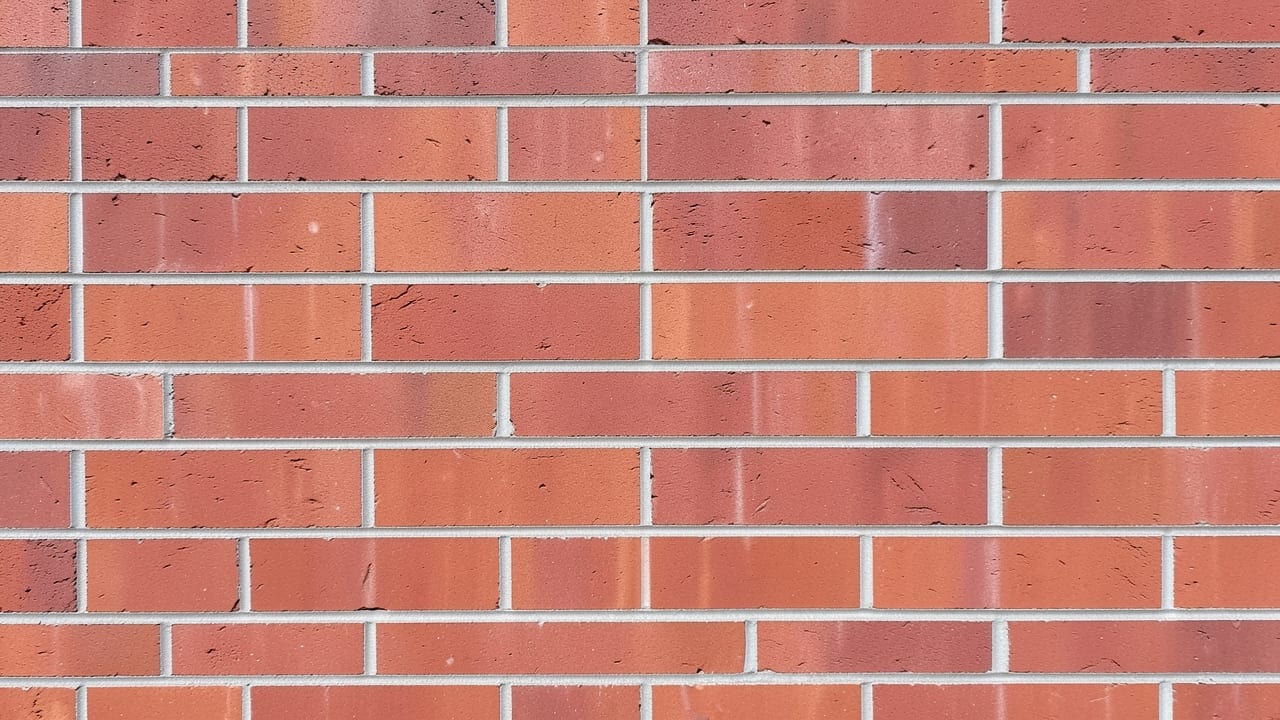
Brick Masonry Mold Treatment in Staatsburg, NY
Professional mold treatment and removal from brick masonry to restore structural integrity and indoor air quality.
Learn More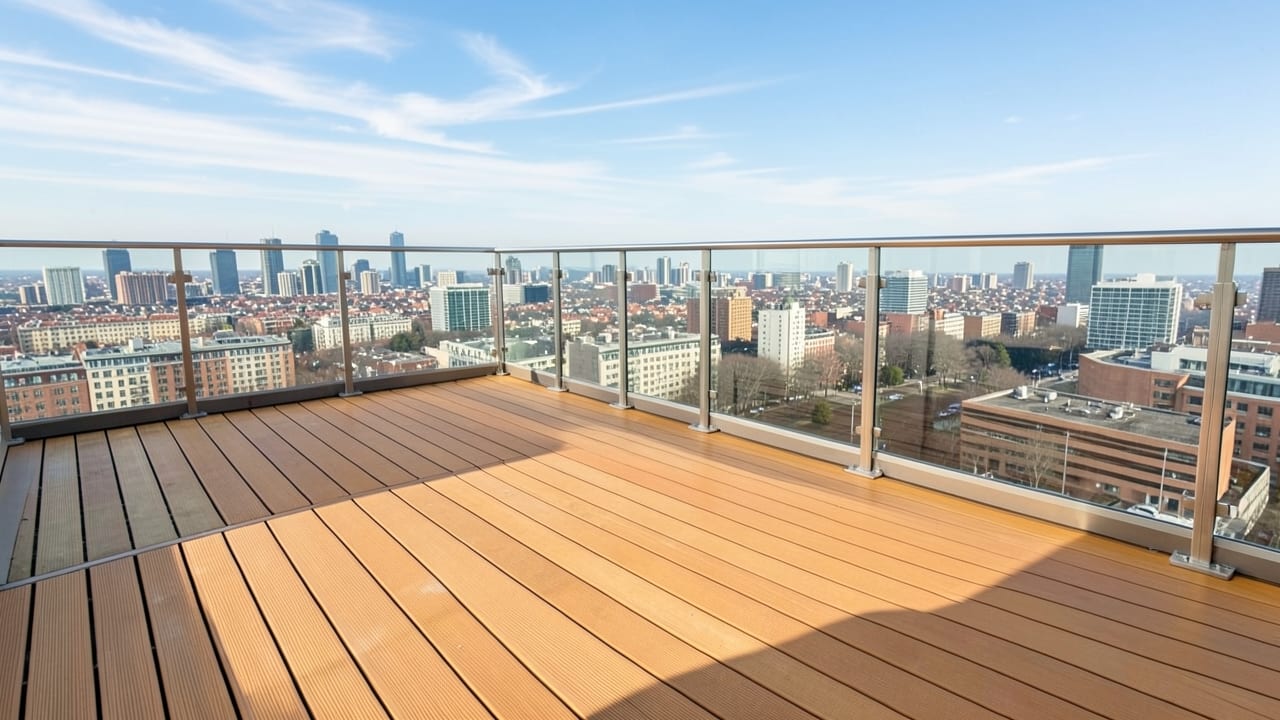
Balcony Mold Cleanup in Staatsburg, NY
Professional removal and treatment of mold growth on balconies and adjacent structures.
Learn MoreCommon Questions About Mold Remediation in Staatsburg
Everything you need to know about mold remediation services in Staatsburg
How much does Clinic Mold Remediation typically cost in Staatsburg, NY?
Why does Staatsburg, NY's humidity make mold a bigger risk than in drier regions?
Does homeowners insurance typically cover mold remediation?
Is black mold actually more dangerous than other mold types?
How long does a typical mold remediation job take?
Is it safe to stay in the home during mold remediation?
Need Mold Remediation in Staatsburg?
Connect with local providers in Staatsburg for a detailed quote.
⏰ We answer your call • Serving all of Staatsburg and surrounding areas