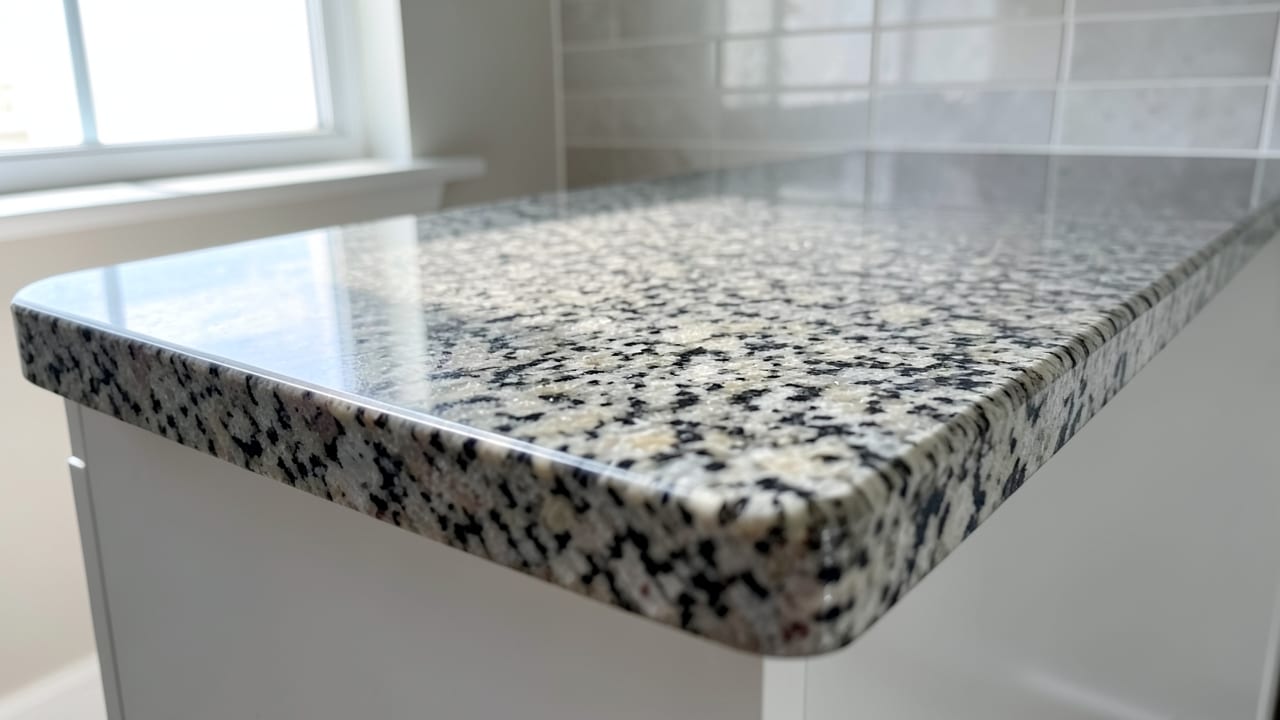
Stone Countertop Mold Removal
Professional removal of mold from stone countertops using specialized cleaning and treatment methods.
Mold on stone countertops in Staatsburg homes requires specialized remediation to prevent damage to natural or engineered surfaces like granite, marble, or quartz. Unlike porous materials, stone mold removal focuses on deep cleaning with targeted solutions and containment protocols to stop spore spread during treatment.
Proper remediation also addresses moisture sources to reduce the risk of recurrence.
We also handle Metal Ductwork Mold Remediation and Brick Masonry Mold Treatment for Staatsburg properties.
When stone countertop mold removal is needed
Mold on stone countertops often starts as small, discolored patches but can spread if moisture persists. Unlike porous materials, stone surfaces like granite or quartz require careful cleaning to avoid etching or damage.
If mold covers more than a small area, returns after cleaning, or is accompanied by a musty smell, professional remediation is recommended.
New York’s Labor Law Article 32 sets guidelines for mold work, requiring licensed professionals for assessments and remediation. Stone countertops fall under specialty treatments, as improper cleaning can worsen the finish or leave hidden spores behind. Addressing the moisture source is critical—without it, mold often returns within months.
Signs Professional Mold Removal Is Needed
- Mold covers more than a small, isolated patch (typically over 25 contiguous square feet, per state guidelines).
- Growth returns in the same spot after cleaning, indicating an unresolved moisture issue.
- A musty odor persists even when no visible mold is present, suggesting hidden growth.
- The affected stone surface shows signs of damage (etching, discoloration) from DIY cleaning attempts.
How stone countertop mold removal differs
Stone countertops—granite, marble, quartz—require specialized cleaning to avoid damaging the surface. Unlike porous materials, mold on stone sits on the surface rather than embedding deeply, but improper scrubbing can etch or dull the finish. Professionals use pH-balanced solutions and HEPA-filtered tools to lift spores without harming the stone.
Containment is critical during stone countertop remediation. Plastic sheeting and negative-air machines seal the work area to prevent spores from spreading through the home. After cleaning, industrial dehumidifiers dry the area to prevent regrowth, and clearance testing confirms spore levels are back to normal before the space is released.
| Surface Type | Remediation Approach | Key Consideration |
|---|---|---|
| Granite/Marble | Deep cleaning with stone-safe solutions, no abrasives | Acidic mold treatments can etch polished surfaces |
| Quartz | Enzymatic or hydrogen peroxide-based cleaners to avoid damage | Seams and edges often trap spores |
| Slate/Limestone | Gentle scrubbing with HEPA vacuuming to prevent dusting | Porosity varies—some require sealing after treatment |
What affects pricing and timing
Stone countertop mold removal in Staatsburg is typically quoted per project, not by the hour or square foot. Pricing depends on the size of the affected area, the type of stone, and whether additional work—like resealing or refinishing—is needed. Containment setup, HEPA filtration, and clearance testing are often billed separately.
Timing varies based on containment needs, drying requirements, and whether hidden moisture sources must be addressed. Jobs that require wall or subfloor repairs take longer than surface-only treatments. Always confirm whether the quote includes inspection, testing, and clearance verification upfront.
How stone countertop mold removal works
Remediation begins with containment to prevent spore spread, followed by targeted cleaning and drying.
- 1Containment Setup
Plastic sheeting and negative-air machines seal the work area, creating a controlled zone where spores stay contained during treatment. Doors and vents are blocked to stop cross-contamination.
- 2Specialized Cleaning
Stone-safe solutions are applied to break down mold colonies, followed by scrubbing with soft brushes or microfiber cloths. HEPA vacuums remove residue without damaging the surface.
- 3Structural Drying
Industrial dehumidifiers and air movers lower moisture levels in the affected area to prevent regrowth. This step is critical for stone, as lingering dampness can cause finish damage.
- 4Clearance Testing
An independent lab tests air or surface samples to confirm spore counts are back to normal before containment is removed. This step ensures the treatment was effective.
- 5Moisture Source Fix
The root cause—leaks, condensation, or poor ventilation—is addressed to reduce the risk of future mold. Stone countertops often need resealing after treatment to restore protection.
Frequently asked questions
Can I clean mold off my stone countertop myself?
Small, isolated patches can sometimes be treated with vinegar or hydrogen peroxide, but stone surfaces like granite or marble are sensitive to acidic or abrasive cleaners. Improper methods risk etching or spreading spores. If mold covers more than a small area or returns quickly, professional remediation is safer.
How long does stone countertop mold removal take?
Surface-only treatments may take a few hours, but jobs requiring containment, drying, and clearance testing can span multiple days. The timeline depends on the extent of contamination and whether hidden moisture sources need addressing.
Will my countertop look the same after mold removal?
Professional cleaning aims to restore the surface’s appearance, but some stone types—like marble—may show faint marks or require resealing. Deeply etched or stained areas might need refinishing. Always ask about post-treatment care for your specific stone.
Do I need to leave the house during remediation?
Containment keeps spores from spreading, but some homeowners prefer to stay elsewhere during active work. The crew will advise if the area is safe to occupy afterward, typically after drying and testing are complete.
Where Staatsburg sits, and what the Census lists nearby
Staatsburg sits in New York, and the closest places listed in the U.S. Census Gazetteer are Port Ewen (4.5 miles northwest), Hyde Park (4.9 miles south), Rhinecliff (5 miles north), Rhinebeck (5.3 miles north). Within 25 miles of Staatsburg the same source lists 84 distinct incorporated places and census-designated places.
Those figures matter for stone countertop mold removal because they are straight-line distances between Census coordinate points: road mileage between Staatsburg and Port Ewen runs longer than the 4.5 miles shown, which is why quotes for the same job differ between towns that look close together on a map.
Source: U.S. Census Bureau Gazetteer.
See Haviland, NY for more, or take a look at everything on offer in Staatsburg before booking for our complete lineup.
Ready to get started?
Talk to a local mold remediation pro in Staatsburg — get a written quote.
Other Mold Remediation Services in Staatsburg
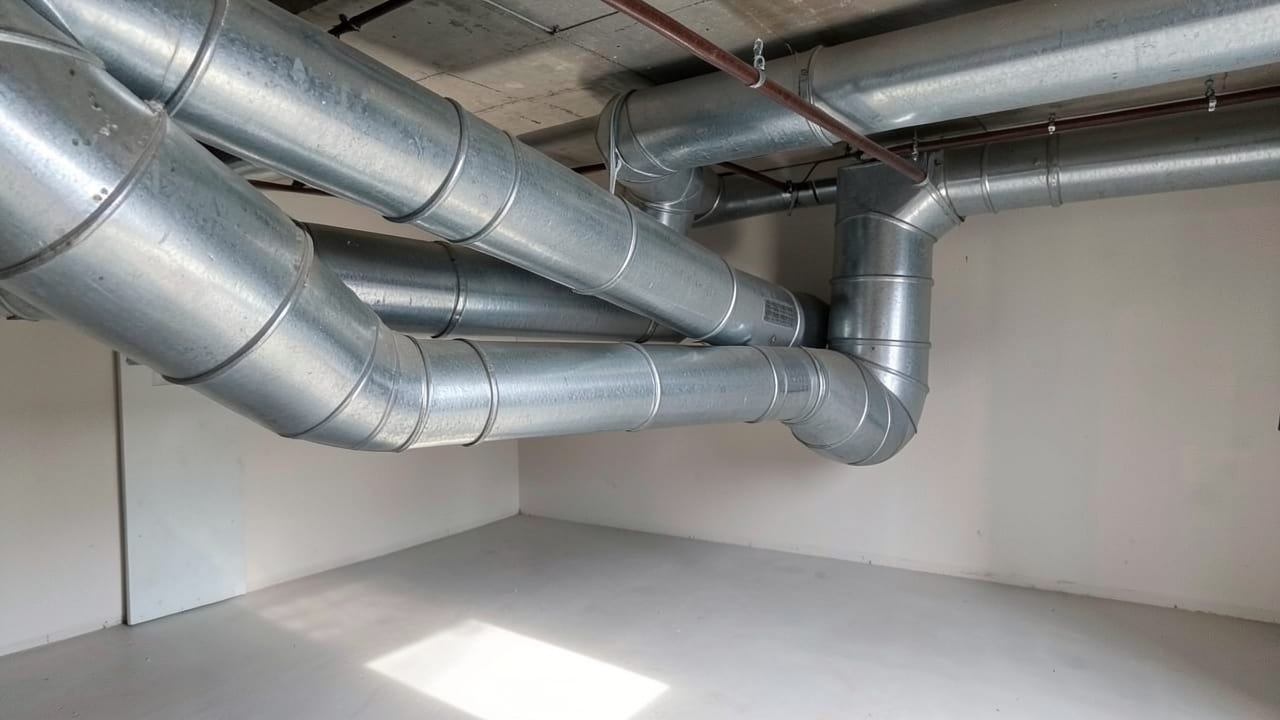
Metal Ductwork Mold Remediation in Staatsburg, NY
Professional removal of mold from metal ductwork to restore indoor air quality.
Learn More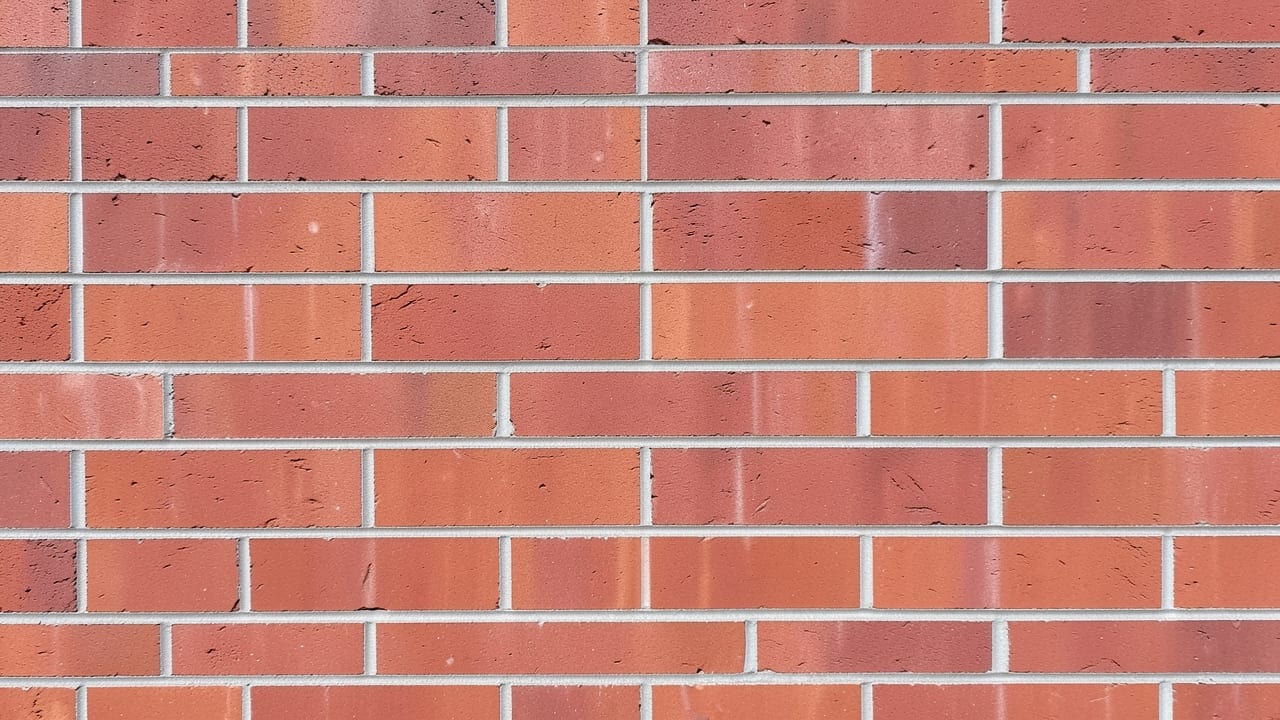
Brick Masonry Mold Treatment in Staatsburg, NY
Professional mold treatment and removal from brick masonry to restore structural integrity and indoor air quality.
Learn More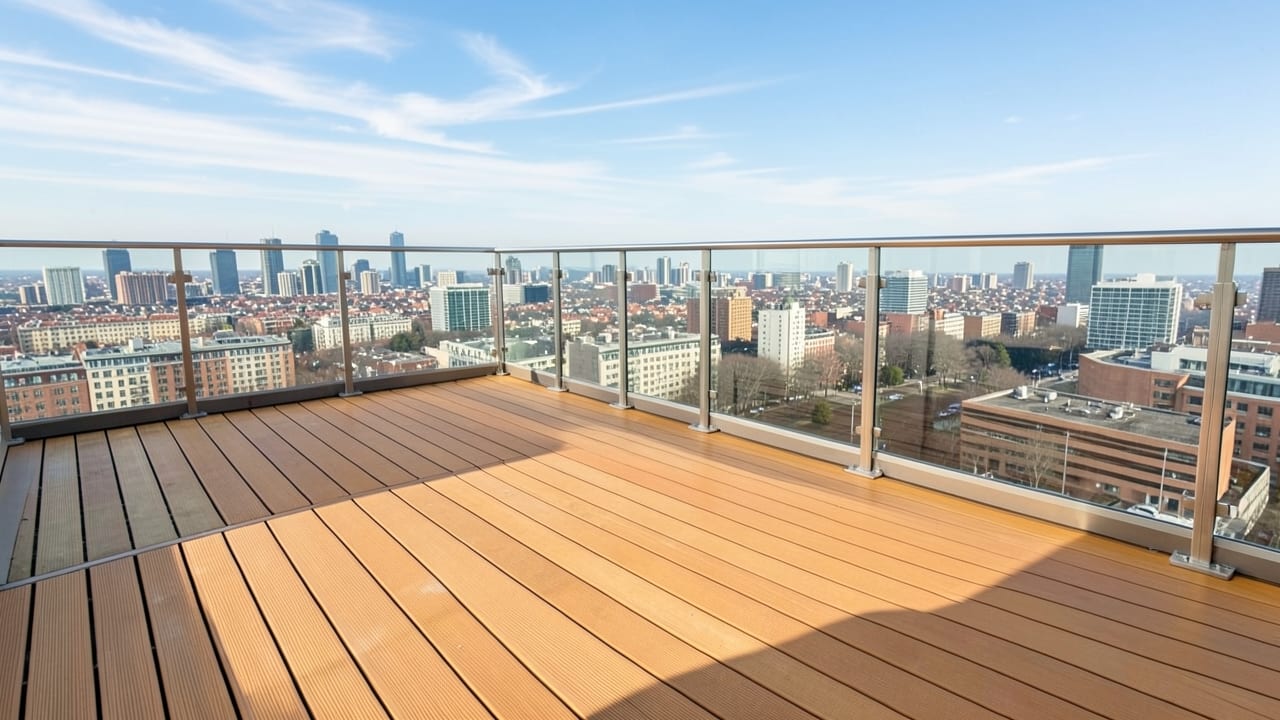
Balcony Mold Cleanup in Staatsburg, NY
Professional removal and treatment of mold growth on balconies and adjacent structures.
Learn More
Closet Mold Cleanup in Staatsburg, NY
Professional cleanup and removal of mold from closets to restore safe, healthy spaces.
Learn More
Hallway Mold Remediation in Staatsburg, NY
Professional removal and treatment of mold growth in residential hallways.
Learn More
Condo Mold Remediation in Staatsburg, NY
Professional removal and treatment of mold in condominiums to restore safe, healthy living spaces.
Learn MoreCommon Questions About Mold Remediation in Staatsburg
Everything you need to know about mold remediation services in Staatsburg
How much does Stone Countertop Mold Removal typically cost in Staatsburg, NY?
Why does Staatsburg, NY's humidity make mold a bigger risk than in drier regions?
Is a final clearance test part of a typical mold remediation job?
How does mold remediation actually prevent the problem from coming back?
Can mold growing inside HVAC ductwork spread to the rest of a home?
Does mold mean the same thing as mildew?
Need Mold Remediation in Staatsburg?
Connect with local providers in Staatsburg for a detailed quote.
⏰ We answer your call • Serving all of Staatsburg and surrounding areas