Preventing Mold in Staatsburg Commercial Properties: Proactive Strategies for Business Owners
Mold in commercial properties isn’t just unsightly—it’s a liability. Left unchecked, it can compromise air quality, damage inventory, and even force temporary closures. We’ve helped businesses across Staatsburg and the Hudson Valley tackle mold at its source with targeted prevention strategies.
Why Commercial Properties in the Hudson Valley Are Vulnerable
The Hudson Valley’s humid summers and cold, damp winters create ideal conditions for mold growth. Commercial buildings, with their complex HVAC systems and high foot traffic, often trap moisture in walls, ceilings, and ductwork.
Areas like Rhinebeck and Hyde Park share similar risks, especially in older structures with poor ventilation or past water damage. Even minor leaks in roofs or plumbing can fuel mold colonies within 24–48 hours.
The Hidden Costs of Mold in Business Spaces
Beyond structural damage, mold can lead to health complaints from employees or customers, triggering costly investigations. Insurance claims for mold-related issues often hinge on proving proactive maintenance.
Downtime for remediation disrupts operations, and in severe cases, businesses may face regulatory scrutiny. Prevention is always cheaper than emergency mold removal and air quality testing.
Standing water or damp materials must be addressed within 24 hours to prevent mold spores from taking hold. Delaying increases remediation costs and health risks.
Key Mold Hotspots in Commercial Buildings
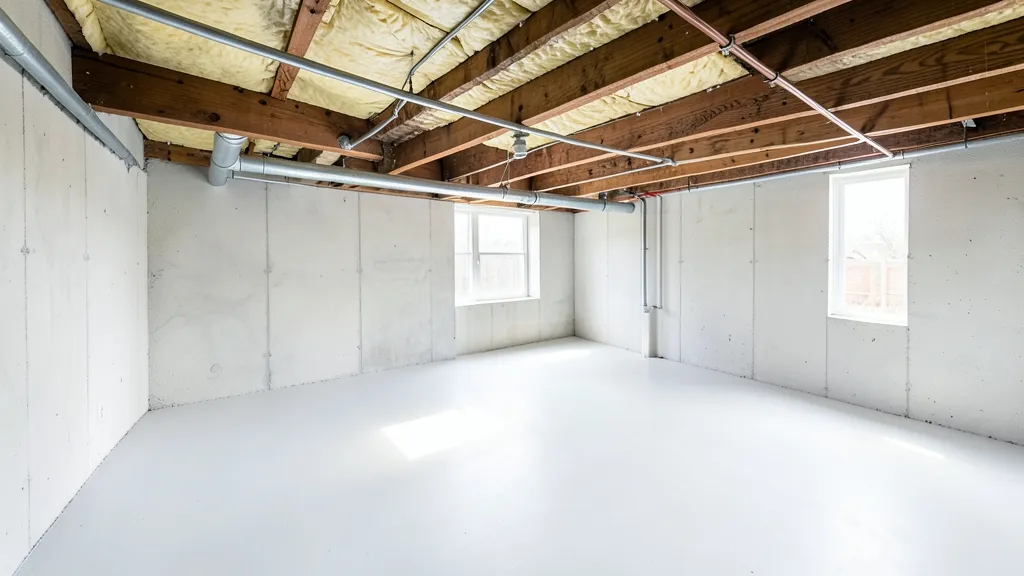
Basements and crawl spaces are prime targets due to poor airflow and proximity to groundwater. In Staatsburg, older buildings with stone foundations are especially susceptible.
Attics often harbor mold from roof leaks or improper insulation, while HVAC systems can spread spores if condensate lines clog or filters aren’t maintained. Don’t overlook restrooms, kitchens, or storage areas with plumbing.
| Area | Primary Risk Factor | Prevention Focus |
|---|---|---|
| Basements/Crawl Spaces | High humidity, water seepage | Dehumidifiers, vapor barriers, sump pumps |
| Attics | Roof leaks, poor ventilation | Inspection for leaks, ridge vents, proper insulation |
| HVAC Systems | Condensate buildup, dirty ducts | Regular maintenance, HEPA filters, drain line cleaning |
| Restrooms/Kitchens | Plumbing leaks, poor exhaust | Seal grout, repair leaks, upgrade exhaust fans |
Proactive Moisture Control: Your First Line of Defense
Controlling humidity is the most effective way to prevent mold. Commercial-grade dehumidifiers should maintain indoor levels below 60%, ideally between 30–50%.
Seal gaps in the building envelope, especially around windows, doors, and roof penetrations. In flood-prone areas near the Hudson, consider moisture-resistant materials for lower levels.
HVAC Maintenance: Stopping Mold at the Source
Clogged condensate lines or dirty coils in HVAC systems can breed mold and circulate spores. Schedule bi-annual inspections, especially before the humid summer months in Staatsburg.
Upgrade to high-efficiency particulate air (HEPA) filters to capture mold spores. Ensure ductwork is clean and properly sealed to prevent moisture infiltration.
Before switching from heating to cooling in spring, have a professional inspect and clean your HVAC system. This is critical in climates like ours with high seasonal humidity swings.
Building Materials That Resist Mold
For renovations or new builds, opt for mold-resistant drywall, paperless backer board, and moisture-resistant paint in high-risk areas. These materials inhibit growth even if moisture is present.
In basements or crawl spaces, use closed-cell spray foam insulation, which resists water absorption. Avoid carpeting in damp areas; choose vinyl or concrete flooring instead.
When to Call in the Pros for Mold Inspection
If you detect musty odors, see visible mold, or notice water stains, it’s time for a professional mold inspection and air quality testing. We use thermal imaging to locate hidden moisture behind walls or ceilings.
For businesses in Staatsburg, Hyde Park, or Poughkeepsie, regular inspections—especially after water damage or major storms—can save thousands in remediation costs down the line.
Signs You Need a Professional Mold Inspection
- Persistent musty odors
- Visible mold growth (even small patches)
- Water stains or discoloration on walls/ceilings
- Unexplained health symptoms among occupants (e.g., allergies, respiratory issues)
- Past water damage or flooding
If mold is discovered, isolate the area immediately to prevent spores from spreading via airflow. Turn off HVAC systems serving the affected space and avoid disturbing the mold.
Contact a certified mold remediation team to assess the extent of the contamination. We follow IICRC S520 guidelines for safe, thorough removal and prevention of recurrence.
How to Implement a Mold Prevention Plan for Your Business
A structured approach to mold prevention protects your property, employees, and customers.
- 1Conduct a Moisture Audit
Inspect your property for leaks, condensation, or high humidity areas. Use a hygrometer to measure moisture levels in walls, floors, and air.
- 2Address Water Intrusion Immediately
Repair roof leaks, plumbing issues, or foundation cracks promptly. Install moisture barriers in crawl spaces or basements if needed.
- 3Upgrade Ventilation and Airflow
Ensure bathrooms, kitchens, and storage areas have proper exhaust fans. Consider energy recovery ventilators (ERVs) for balanced airflow.
- 4Maintain HVAC Systems
Schedule regular HVAC maintenance, including duct cleaning and condensate line checks. Replace filters every 1–3 months.
- 5Use Mold-Resistant Materials
In high-risk areas, install mold-resistant drywall, insulation, and flooring. Seal porous surfaces with anti-microbial coatings.
- 6Monitor and Document
Keep records of humidity levels, inspections, and maintenance. This documentation is critical for insurance and liability protection.
Frequently Asked Questions
How often should commercial properties in Staatsburg be inspected for mold?
We recommend a professional mold inspection at least once a year, or immediately after any water damage. High-risk properties, like those with basements or older plumbing, may need bi-annual checks.
Can mold return after remediation?
Yes, if the underlying moisture issue isn’t resolved. Proper remediation includes identifying and fixing the source of water intrusion, followed by moisture control measures to prevent recurrence.
Are there specific regulations for commercial mold in New York?
New York doesn’t have statewide mold remediation laws, but local building codes and OSHA guidelines may apply. Commercial properties must ensure safe indoor air quality for employees and customers.
What’s the difference between mold removal and mold remediation?
Mold removal simply cleans visible mold, while remediation addresses the root cause—moisture—and ensures spores are contained and prevented from returning. Remediation is the only long-term solution.
How does climate in the Hudson Valley affect mold risk?
The region’s humid summers and wet springs create perfect conditions for mold. Properties near the Hudson River, like those in Rhinecliff or Poughkeepsie, are especially vulnerable to moisture issues.
Do dehumidifiers really prevent mold?
Yes, when used correctly. Commercial-grade dehumidifiers maintain humidity below 60%, making it difficult for mold to grow. However, they must be paired with proper ventilation and moisture control.